Comfrey Bocking 14 Slips @ the CEC
October 6, 2017
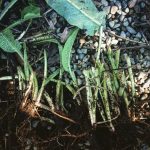
Fall is prime time to plant comfrey slips and next week the CEC will be selling Comfrey Bocking 14 slips by donation!

October 6, 2017
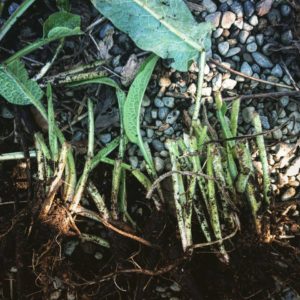
Fall is prime time to plant comfrey slips and next week the CEC will be selling Comfrey Bocking 14 slips by donation!
September 22, 2017
June 7, 2017
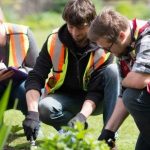
Thank you for your interest in Healing City Soils, the next round of applications will be open in early 2018.
Posted in Blog, Featured, Healing City Soils, News, Partnerships
May 5, 2017
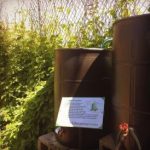
Spring is the perfect time to be thinking about the best ways to conserve water for the dry summer months. To assist you in ideas around how to construct efficient systems that store our abundance of spring and fall rain, the CEC has created a new factsheet that spans a range of rainwater harvesting systems, from cisterns, to rain gardens, to bioswales. #16 Rainwater Harvesting Factsheet
Posted in Announcement, Blog, Fact Sheet, FeaturedApril 21, 2017
It’sspringit’sspringit’sspring! FINALLY.
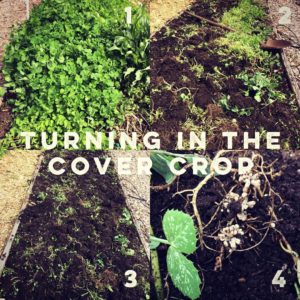
The cover crop of crimson clover and winter field pea that I sowed the veggie beds with last fall has also been enjoying the warmer weather in a big way. Before I knew it, it had put on 6 inches of new growth and it was time to shear, compost and turn in in preparation for planting season.
Generally, you want to get this done a few weeks before planting anything in the bed. This allows the roots of the cover crop to die, releasing their fixed nitrogen back into the soil, which can then be taken up by your transplants. A side benefit is that it turns pest cocoons and larvae up to the surface where they can be gobbled up by birds, other insects or killed off by the weather.
First, I shear the tops off the plants and toss them in my compost pile. There’s a lot of green material there, so I tend to make a big hot compost.
My shovel strategy:
Many use tillers to turn in cover crops, and this is necessary if you’ve used a more robust crop such as winter rye. Because I choose more tender crops, I use a shovel and chop two rows down the bed, then chop perpendicular to the rows to create a kind of grid over the bed. This allows you to lift chunks of the cover crop and flip them completely over. Once this is complete, I gently chop my way through the whole bed to cut the roots up and ensure the cover crop dies off in time for planting.
As you go, keep an eye out for the tell-tale root nodules that show you how hard your nitrogen-fixing cover crop (i.e. legumes such as crimson clover or winter field pea) has been working for you. As the plants die, this nitrogen is returned to the soil.
Want to know more about the benefits of cover cropping? Head over to our Facebook, Instagram, or Twitter and leave us a comment that says “Tell me more!”.
Posted in Blog, Composting, Featured, Organic Gardening
September 28, 2016
The Healing City Soils project has been completed for 2016! Almost 140 soil samples were tested in Victoria and Esquimalt through this joint project with Royal Roads University and the results made into an interactive map (coming soon!) to inform the community about potential for soil contamination and best practices for growing healthy produce in back and front yards and boulevards.
As well, we are thrilled to announce that two of our new factsheets from the Healing City Soils project are now complete. These factsheets will help urban gardeners learn more about soil contamination and protect their health while growing their own groceries.
Soil Contamination: Whether you are already growing food or would like to begin a garden, it’s a good idea to learn more about your soil so that you can grow food safely. Urban soils are often compacted and nutrient deficient, and can sometimes contain heavy metals and other contaminants as a result of historical industrial activity, past and present land use and proximity to pollution sources (e.g. a major road). Soil contaminants may get into or onto our veggies and fruits and have negative health effects over the long term. Gardeners can take many simple and inexpensive actions to reduce their exposure to urban soil contaminants. Soils can be managed, improved and made healthy again so that you and your garden can thrive. Find the factsheet here.
Best Practices for Healthy Urban Gardens: We recommend that all gardeners follow healthy gardening practices to help reduce exposure to heavy metals and other contaminants. Generally, maintaining a neutral soil pH, adding organic matter and compost to your soil, mulching your garden soil and thoroughly washing your garden produce can reduce your exposure to many soil contaminants so you can enjoy the many health benefits of eating fresh garden-grown fruits and vegetables. Find the factsheet here.
Posted in Announcement, Blog, Fact Sheet, Featured, Healing City Soils, News
April 6, 2016
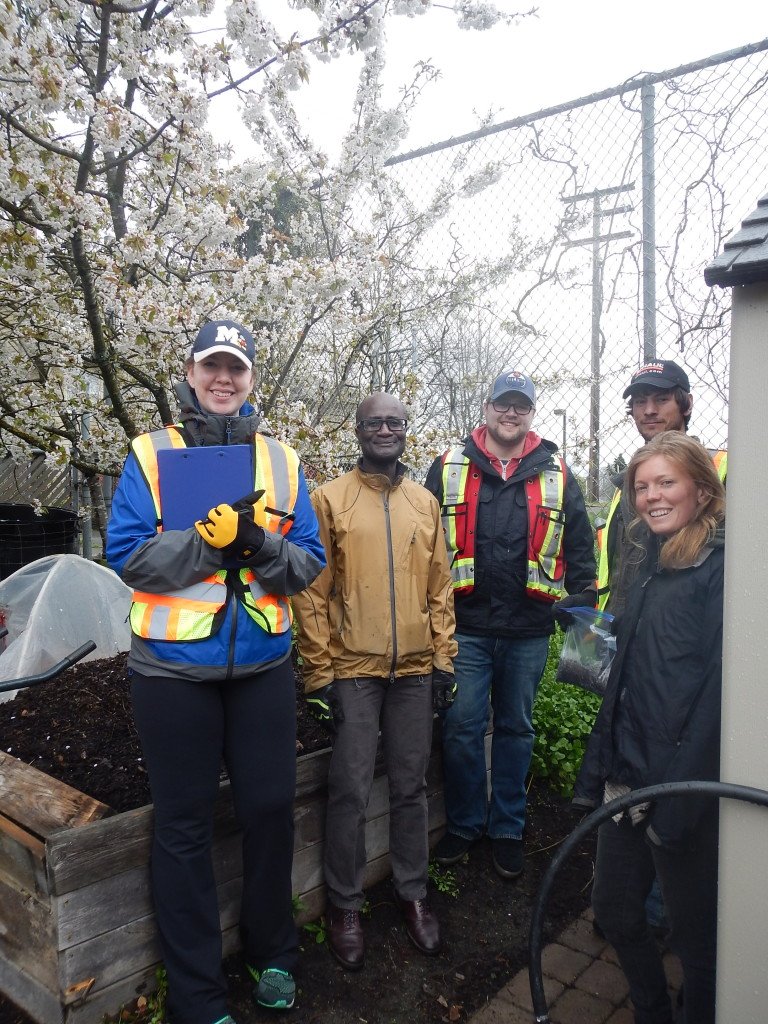
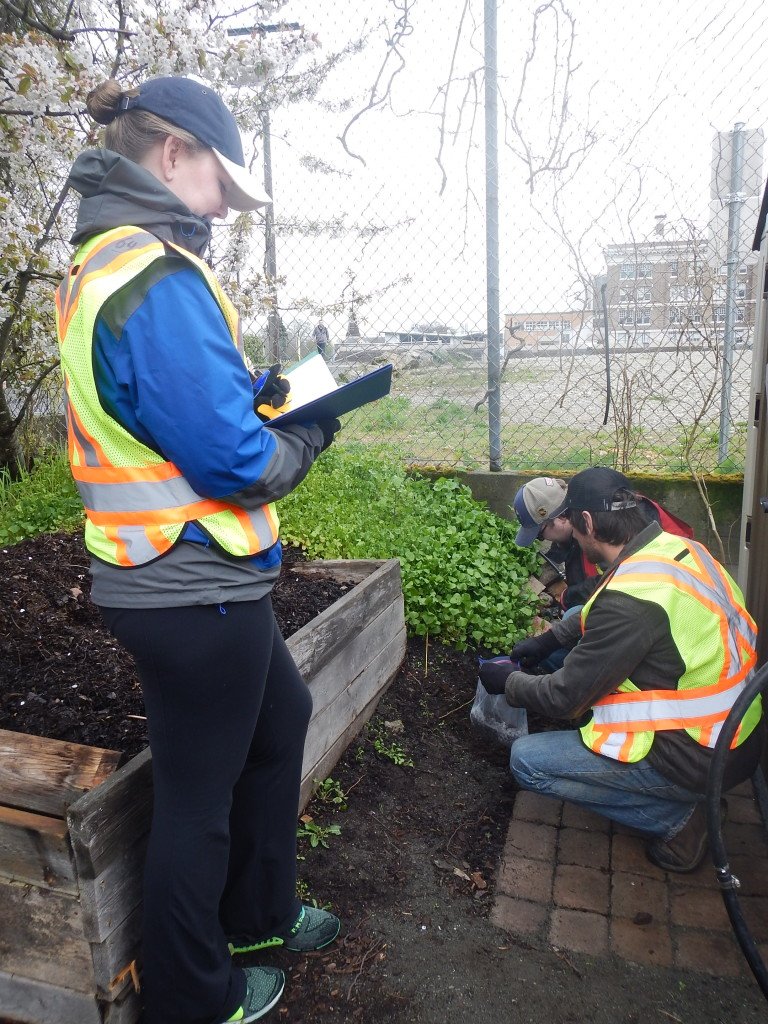
It was a successful first day of soil testing for the Healing City Soils Team! The team will be taking samples from residential yards and boulevards for the next two months around Victoria and Esquimalt and the information collected will be uploaded into an interactive soil health map. Learn more about the project here.
March 16, 2016
We are excited to share two new factsheets with you! We have been getting lots of inquiries about tumbler composters and bokashi and we decided to put together a factsheet for each one to help answer your questions and spark your interest. If the descriptions below spark your interest, check out the new additions on our factsheets page.
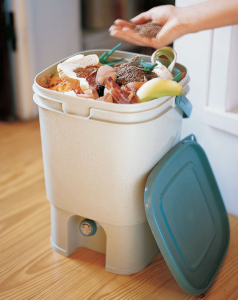
Bokashi is a Japanese term meaning “fermented organic matter”. Different from composting, which is aerobic, it is an anaerobic process that allows a person to deal with a wide variety of food waste on-site. Bokashi harnesses the power of effective microorganisms (EM) dehydrated onto a cereal base to carry out the fermentation process . It is best used as a partner to a compost pile, because you will need a place to compost the ‘spent’ material once it has finished going through the bokashi process. It is a great alternative to the green cone food digester as it breaks down the same types of materials but doesn’t need sunlight or to be buried down 2 feet in your garden work. You can make your own system or purchase a ready-to-use unit.
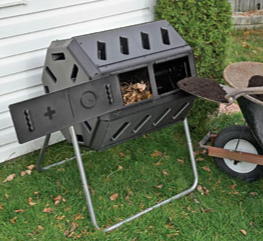
In general, tumbler composters are in the form of a barrel mounted on a stand so the unit can be turned or “tumbled” around a central axis. They can be mounted horizontally or vertically, both work well. Turning these units easily incorporates air into the material inside the tumbler, which can speed up the decomposition process. It is possible that you may get a finished product faster than with passive backyard composting due to the increased aeration that tumblers make possible. However, beware of manufacturers that say you will have finished compost in three weeks or less – anything that looks finished in this short amount of time will be unstable and need to sit for at least 6-8 weeks longer to cure.
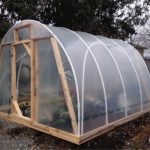
When we built our new greenhouse wanted the plans for this project to be free and readily accessible. As such, this factsheet includes a budget and materials list for the greenhouse, a list of the lessons I learned, and some photos of the building process.
Posted in Blog, Composting, Fact Sheet, Featured, Organic Gardening, Waste Diversion
February 25, 2016
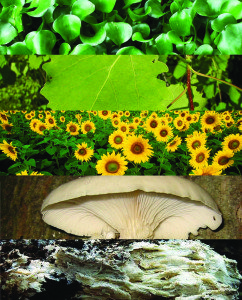
We are very excited to announce that we have partnered with Royal Roads University and Danielle Stevenson of DIY Fungi to launch a new project called Healing City Soils. Bridging urban agriculture, composting, food literacy, ecological restoration and bioremediation, this initiative brings together the municipalities of Victoria and Esquimalt, local post-secondary institutions, food security organizations and people who are interested in growing food and building the soil beneath their feet.
This project is about getting to know the soil beneath our feet, and building community around healing it. Ensuring the soil is healthy is a first step to any urban agriculture project; from backyard growing to community and boulevard gardening. Urban soils can sometimes contain heavy metals and other contaminants as a result of our industrial past and present. This is not so great for our urban food gardens as the contaminants can get into or onto our veggies and fruits. Soil testing can be expensive, and the results can be confusing or disheartening, which ends up being a barrier to getting more folks growing.
The goal of Healing City Soils is to analyze the health of Victoria’s soils and create a virtual soil map of Victoria highlighting areas where heavy metals need to be addressed before growing food. This map will be paired with factsheets and workshops to empower people with the knowledge and skills to grow food safely or to heal the soil with compost, plants and mushrooms.
August 1, 2015
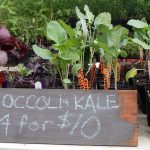
Continue reading “Organic Plant Sale on Sat Aug 22nd!”
Posted in Announcement, Blog, Events, Featured, News, Organic Gardening