
OUR WORK
Healing City Soils
The Healing City Soils program offers education and resources to dismantle barriers to growing healthy food.
Soil testing can be expensive, and the results are often complex, confusing, and disheartening. The uncertainty of soil contamination, the expense of soil testing, and the opaqueness of soil testing results are all barriers that prevent people from growing their own food.
Soil Testing: To address these barriers, we collaborate with Professor Matt Dodd at Royal Roads University (RRU)to provide free heavy metal soil testing to growers and gatherers through the Capital Regional District (CRD). Via a “citizen science” approach, we invite CRD residents to collect their own soil samples. We analyze the soil samples for eight heavy metals (arsenic, cadmium, chromium, copper, leads, nickel, and zinc), and we share individualized soil testing results along with educational resources (informative factsheets and free workshops) designed to support informed decision-making about soil health and safer food growing and gardening practices. These heavy metals are the focus of our program because they are frequently associated with known sources of urban contamination (e.g. leaded paint and fuel used historically, certain types of treated wood, combustion emissions, legacy pesticide use, and former waste burning practices) and because they can have toxic effects even at low concentrations. We also compile the data in an anonymized and publicly accessible online map to support community awareness and research transparency.
Bioremediation Research: One of the most common questions we receive when disseminating the soil testing results and accompanying education is: “If my soil is contaminated, what can I do?” To explore this research question, we launched a research pilot, Ground Beneath Our Feet, in 2019 to explore the use of compost, native plants, and fungi to remediate contaminated soils. With the support of RRU environmental science students and in collaboration with environmental toxicologist Danielle Stevenson, and the PEPÁḴEṈ HÁUTW̱ Foundation, we have explored heavy metal soil contamination and bioremediation strategies at SṈIDȻEȽ, the first village site of the W̱SÁNEĆ people. We hypothesize that we can bioremediate the region’s soil in the long-term via this sustainable approach, and we are committed to contributing to this emergent research.
Through both the soil testing and bioremediation research, our objective is to empower CRD residents to heal their soil and grow food safely. Through HCS, we dismantle barriers to people growing their own food; educate on how soil health is vital to local ecosystems, community wellbeing, and mitigating climate change; and build community around restoring damaged soils. We support the community in getting to know the soil beneath our feet. We want everyone to understand that the soil holds a memory of the region’s industrial past and present – and that we can build community around healing it.
Important Note: We do not provide site-specific soil remediation advice or services. Gardeners and landowners seeking guidance on remediation activities appropriate for their specific site should consult a qualified Professional Agrologist or other appropriately certified professional.
Program Resources
A key piece of this project is raising awareness, sharing information to inspire safe and healthy food production here in the city, and empowering people with the necessary skills to build the health of their soil if contaminants are found.
Factsheet #11
Soil Contamination
Learn about the risks of soil contamination, how to test your soil, the root causes of soil contamination, and soil chemistry terminology.
Read the Factsheet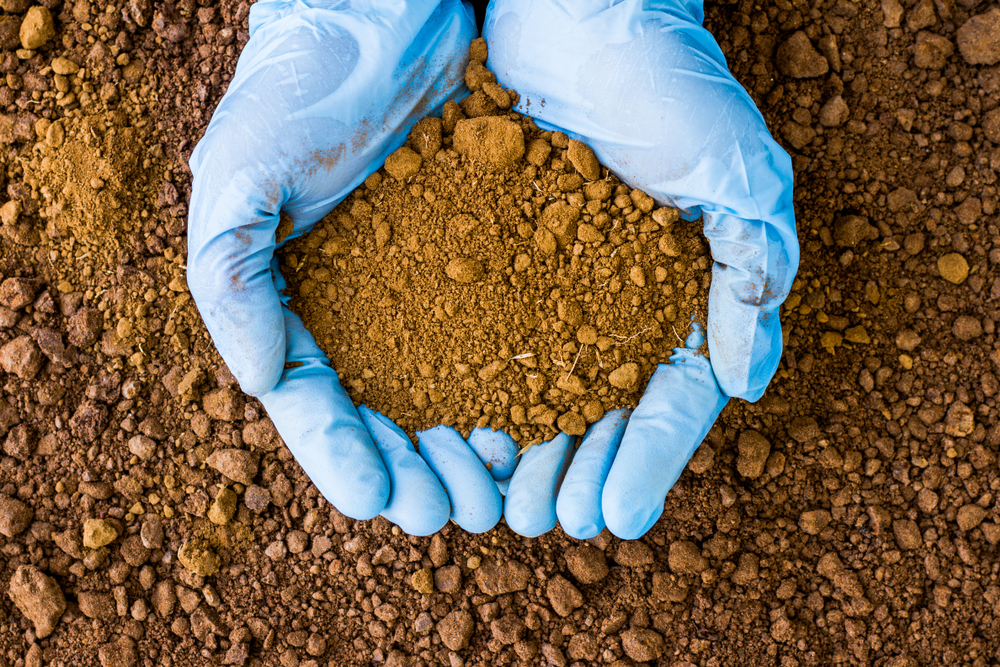
Factsheet #12
Best Practices for Health Urban Gardens
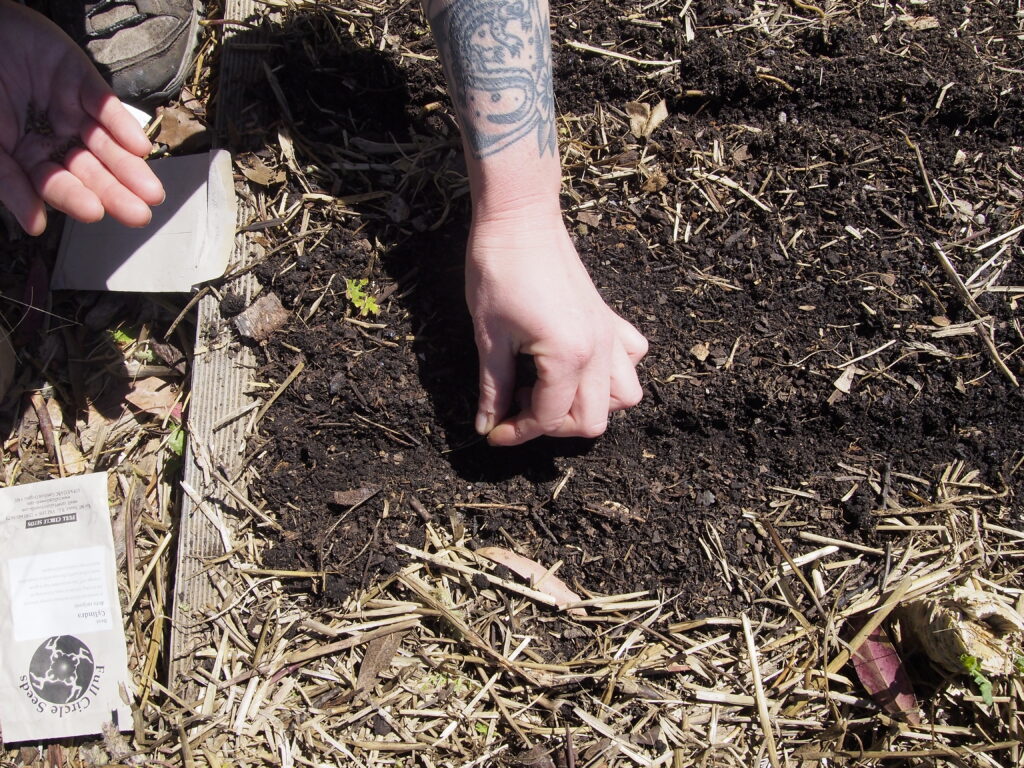
Learn safe gardening practices to reduce the health concerns of soil contamination, suitable crops for low-moderate levels of soil contamination, and common soil contaminants.
Read the FactsheetFactsheet #19
Bioremediation for Urban Gardeners
Learn about the three main types of bioremediation: phytoremediation, microbial remediation, and mycoremediation.
Read the Factsheet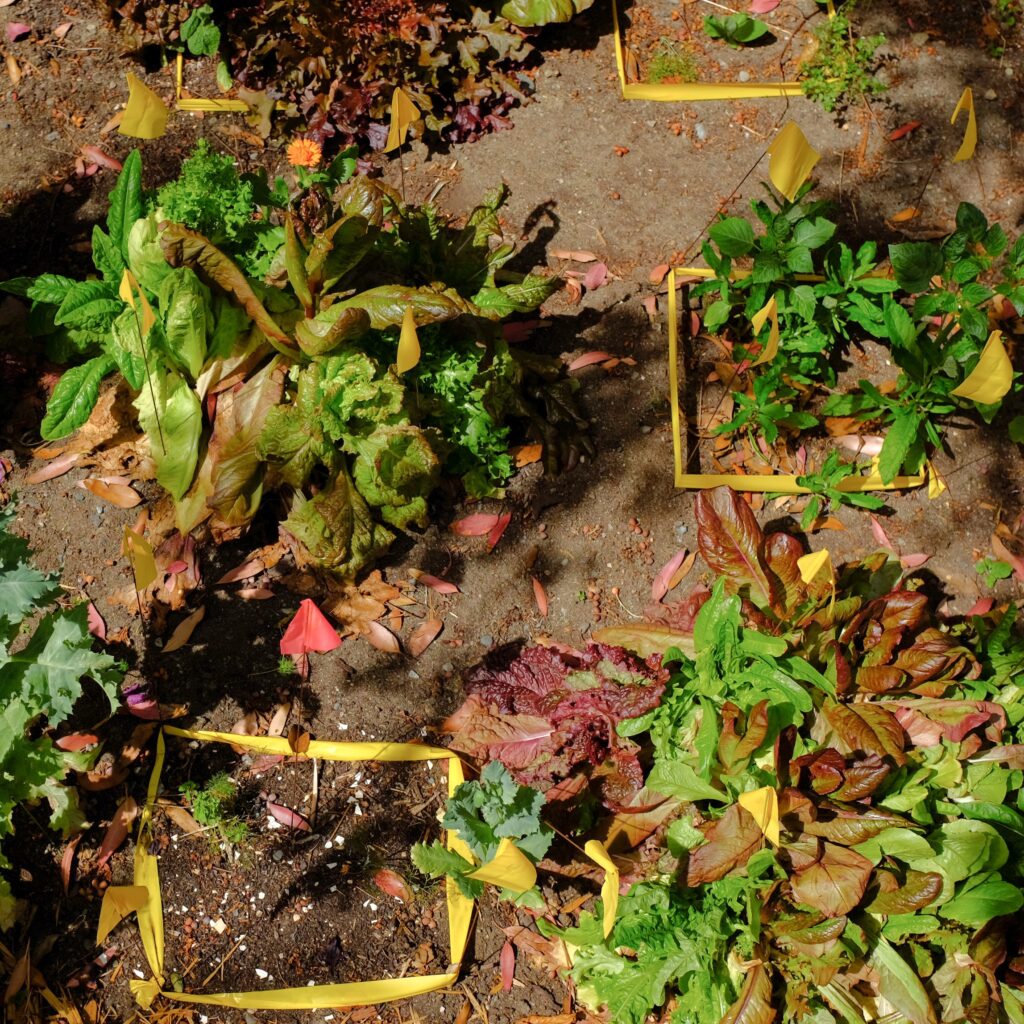
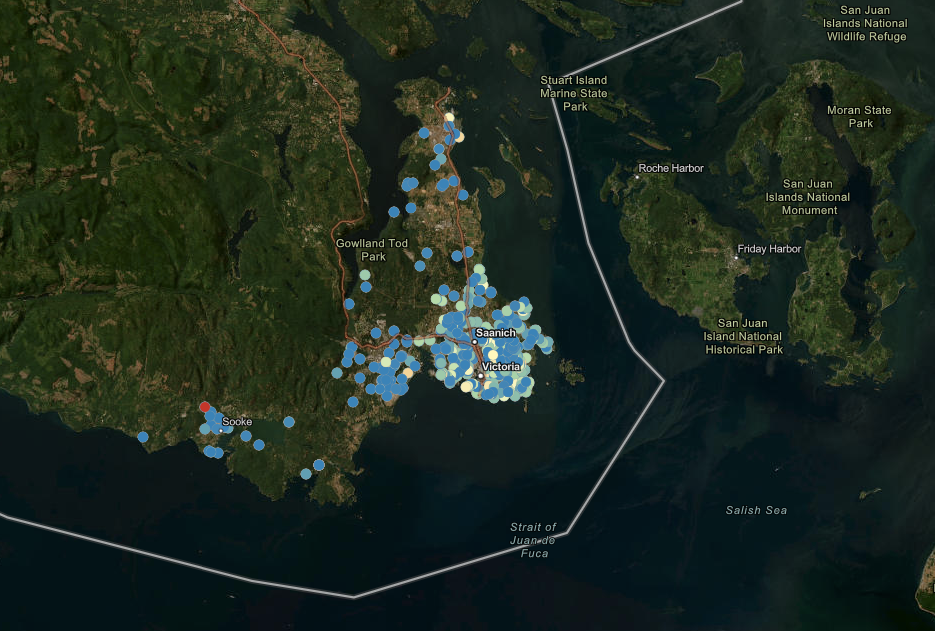
Victoria Soil Quality Map
View approximate indications of where elevated levels of heavy metals are located in the Capital Regional District.
View the Map
Public Workshops
Understanding & Addressing Soil Contamination
Join us for an introduction into heavy metal soil contamination, how to interpret soil test results, and the best practices for growing food near contaminated soils.
View Public Workshops