The Ground Beneath Our Feet: Wrapping Up Another Successful Year of Soil Contamination Research

October 31, 2025


By Martyna Tomczynski, Healing City Soils Program Manager

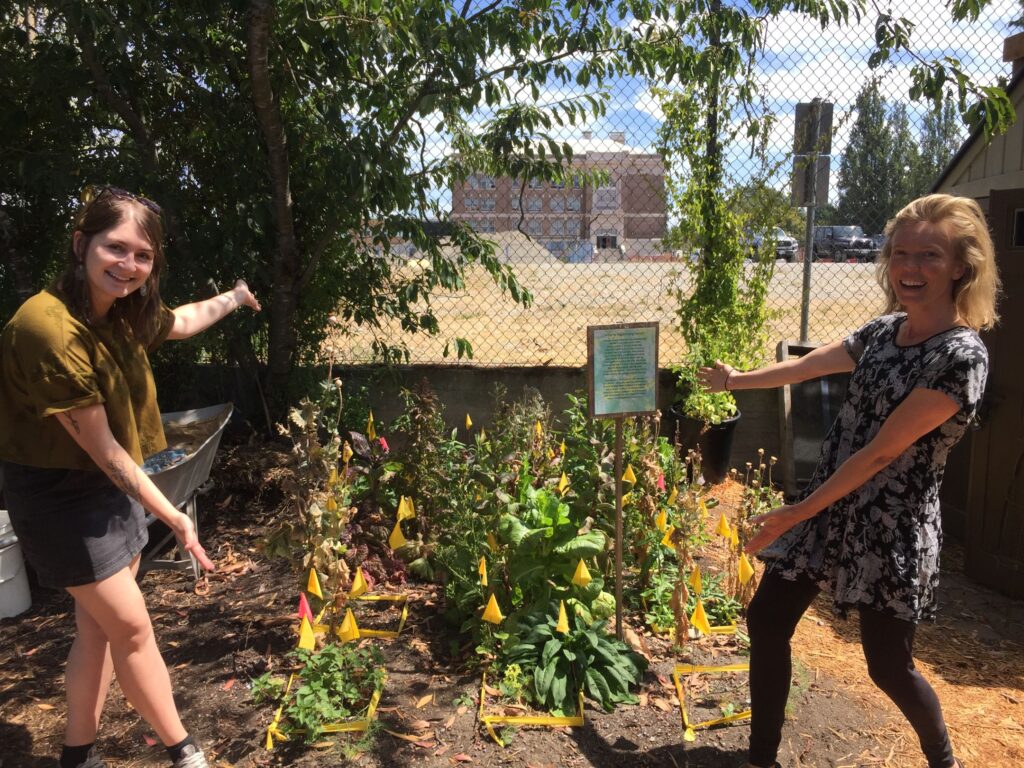
This year marked another successful chapter in the Healing City Soils: The Ground Beneath Our Feet student-led soil contamination research project. With the support of the PEPÁḴEṈ HÁUTW̱  Foundation, Dr. Matt Dodd at Royal Roads University (RRU) and environmental toxicologist Dr. Danielle Stevenson, the Compost Education Centre has been working with BSc in Environmental Science students at RRU over the last four years to better understand the legacy of heavy metal contamination from the industrial history at SṈIDȻEȽ (Tod Inlet, Gowlland Tod Park).

SṈIDȻEȽ (meaning “Place of the Blue Grouse” in SENĆOŦEN) was the first village site of the W̱SÁNEĆ peoples (Elliott, 1990; Gray, 2020). The land and waters that supported a diverse ecosystem of cultural resources was eventually impacted by the effects of European settlement and colonization that altered the soil, sediment, and water health thereafter. The Douglas treaties enabled the acquisition and sale of the land to the Butchart family in 1903, who established the Vancouver Portland Cement Company that quarried limestone for cement production at SṈIDȻEȽ until 1921 (Gray, 2020). The full scope of environmental effects from the historical cement works is still unknown, though various organizations have been leading initiatives to restore the health of the land and waters. At present, the site is enjoyed by the public as a provincial park for hiking, boating, and other recreation, and continues to be a significant area for cultural harvesting and spiritual purposes for the W̱SÁNEĆ peoples.

Vancouver Portland Cement Company operation at Tod Inlet (source)

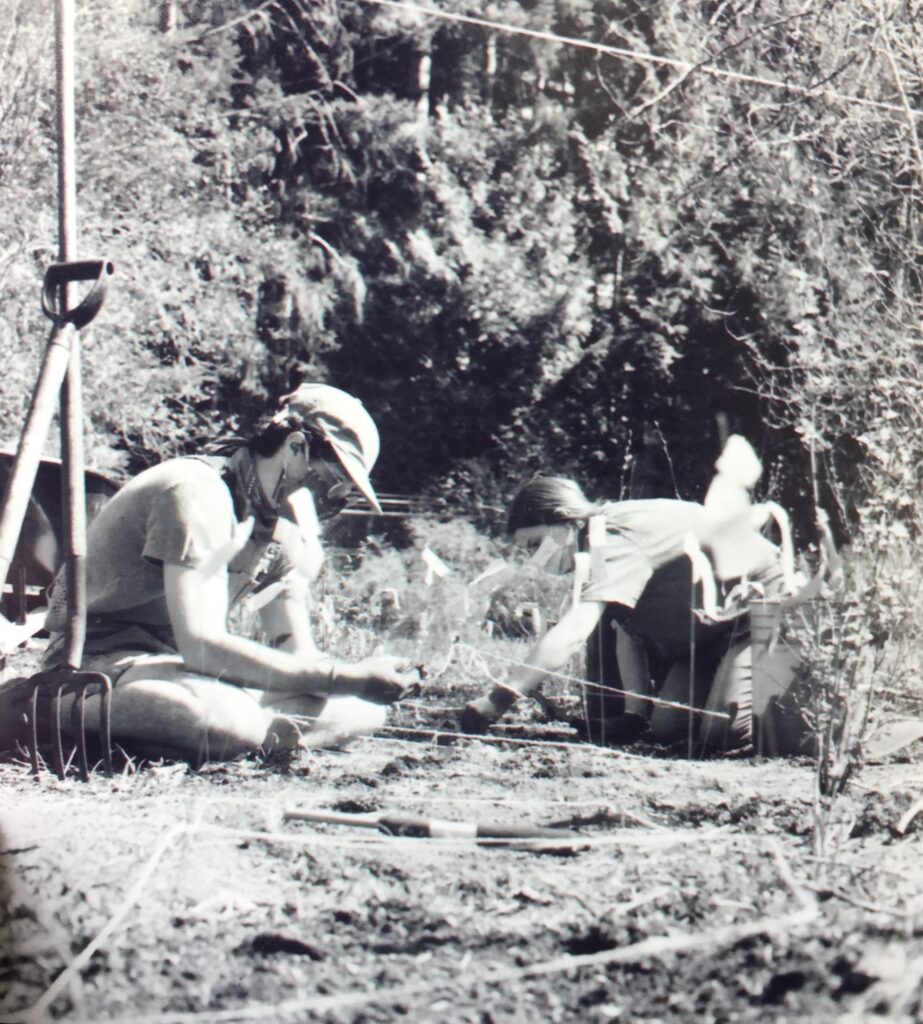
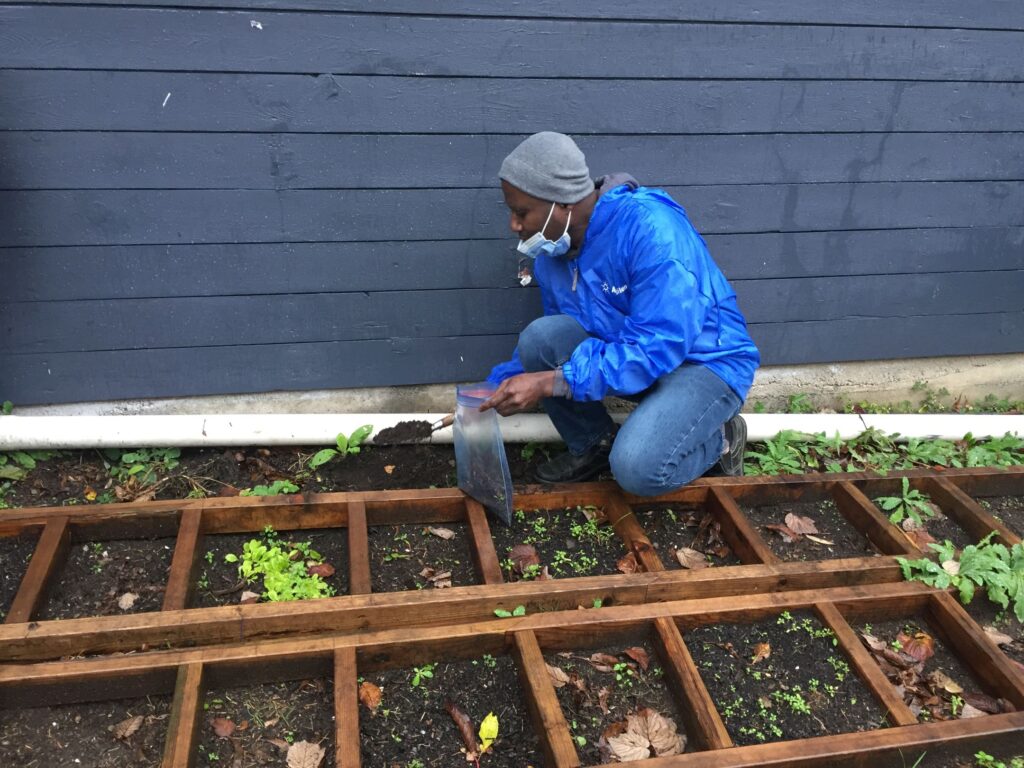
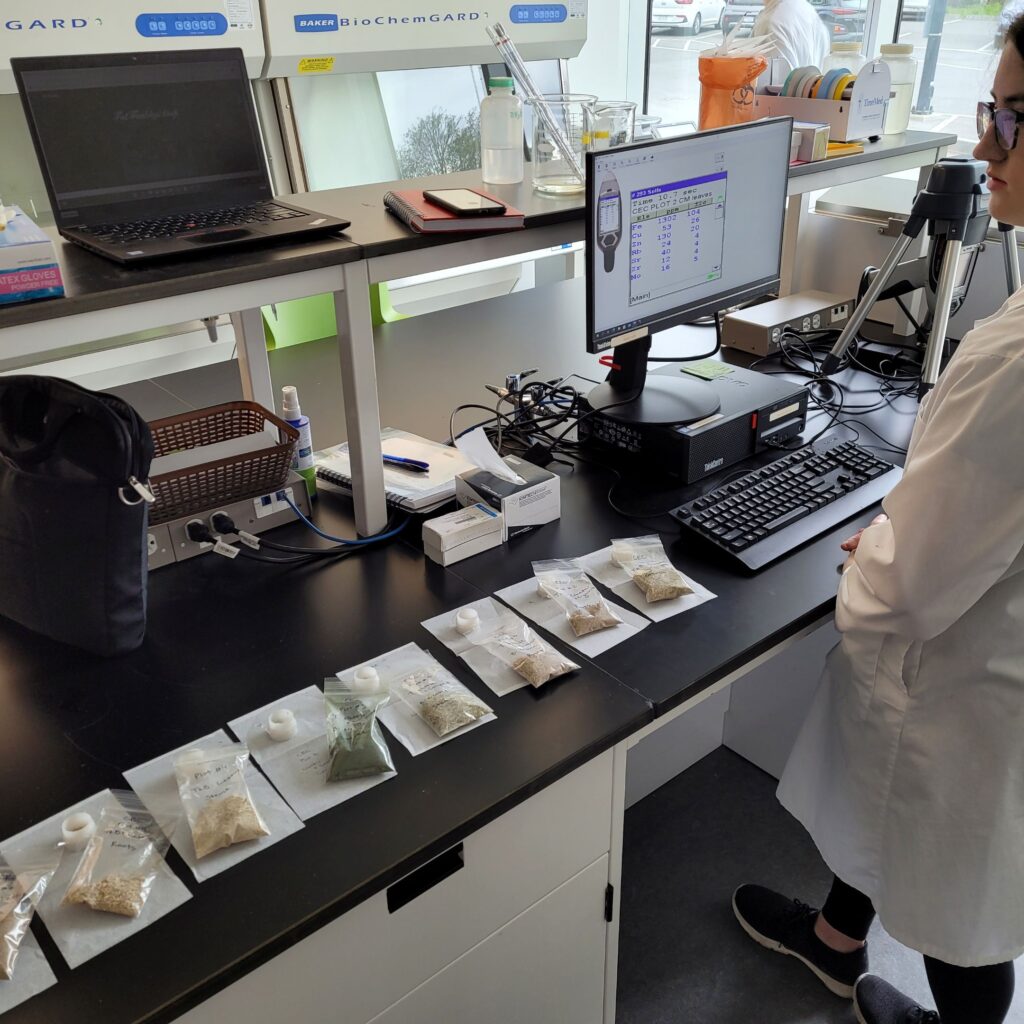
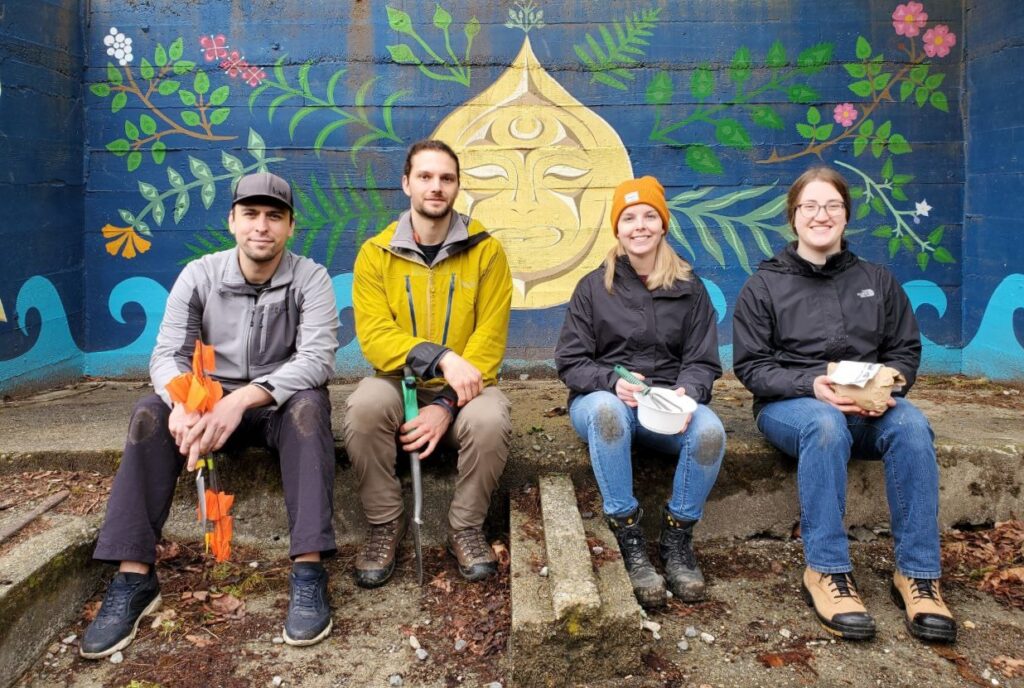
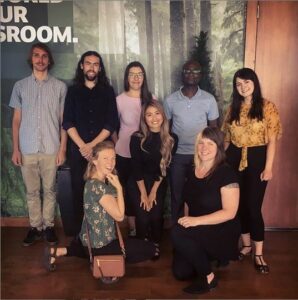
Over the past eight months, our team of four undergraduate students have been investigating the soil health at SṈIDȻEȽ. They conducted two days of soil sampling, collecting 140 samples for analysis using X-Ray Fluorescence to determine the spatial variability of heavy metal contamination. The GPS coordinates of each sampling location were used to create a map as a visual aid for contamination patterns. The outcomes of this research project will help to support the PEPÁḴEṈ HÁUTW̱ Foundation in their efforts to heal the land at SṈIDȻEȽ by identifying priority areas for targeted restoration activities.

Additionally, the student team analyzed heavy metals in Western Canada Goldenrod (Solidago lepida) plants that were grown and harvested from the site for a phytoremediation pilot experiment in 2024. This pilot research aims to understand the suitability of various plant species for soil remediation, and the beneficial effects of compost and arbuscular mycorrhizal fungi as enhancements for improved metal uptake by plants.

As the year comes to a close, we’re excited to reflect on what the project team has accomplished and look ahead to the next steps. With each year, this project continues to grow—deepening our understanding of soil contamination and strengthening the connections between research, education, and community impact.

References

Elliott, D. (1990). Saltwater People. Edited by J. Poth. School District 62, Saanich, B.C. https://wsanec.com/wp-content/uploads/2019/03/saltwater-people-1983-delliot-sr-compressed.pdf


Gray, D.R. (2020). Deep and Sheltered Waters: The History of Tod Inlet. Royal BC Museum. Victoria, B.C.

Posted in Blog, Food Security, Healing City Soils, Partnerships, Programs

Heavy Metal Soil Testing FAQ

July 16, 2025


We are continuing to accept samples heavy metal soil testing until September 30th. See below for some Frequently Asked Questions about our program.

What is the deadline for submitting soil samples? 

We are accepting soil samples until September 30, 2025.

Can I submit more than one soil sample? 

We invite participants to submit 2 soil samples each. However, if your garden space serves multiple people (e.g., a community garden), or is covering a very large area, we can increase the number of samples on a case-by-case basis. Please reach out to healingcitysoils@compost.bc.ca to discuss options. Instructions for how to collect soil samples are posted on our website: https://compost.bc.ca/get-involved/test-your-soil-quality/Please note: our program only tests for Arsenic, Cadmium, Chromium, Copper, Mercury, Nickel, Lead, and Zinc.

I don’t live in downtown Victoria – can I still participate?

Healing City Soils provides free soil testing for heavy metal contamination to residents of the CRD who are currently growing, or planning to grow food. We are eager to invite participants from North Saanich, Sidney, Brentwood Bay, Langford, Sooke, and other Westshore communities!

I live in an apartment with a rooftop garden – can I get my soil tested?

We do not provide soil testing for residents who are growing in containers (i.e., rooftop or balcony gardens) as we require a “native” soil sample (one that has not been mixed with store-bought soil/compost/amendments) to better understand the distribution of soil contamination and potential sources across the CRD.

When will I get my soil quality results?

We aim to send the soil test result reports to all participants by the end of October with an invitation to a free workshop on Understanding and Addressing Soil Contamination in November 2025 (exact date TBD). 

Can I still garden while I wait for my soil sample results?

If you suspect your soil may be contaminated, please check out factsheets 11- Understanding and Addressing Soil Contamination; and 12 – Best Practices for Healthy Urban Gardens for more information.

Posted in Blog, Healing City Soils

Seven Years of Success with the Healing City Soils Program

October 1, 2023


The Healing City Soils (HCS) program dismantles barriers to people growing their own food; educates on how soil health is vital to local ecosystems, community wellbeing, and climate change mitigation; and builds community around restoring damaged soils. The program is a partnership between the Compost Education Centre (CEC) and Royal Roads University (RRU). On August 28th, the HCS community came together at Hatley Castle on the RRU campus to watch – and celebrate – undergraduate environmental science students present the results from the program’s seventh successful year of implementation.

Soil testing can be expensive, and the results are often complex, confusing, and disheartening. The uncertainty of soil contamination, the expense of soil testing, and the opaqueness of soil testing results are all barriers that prevent people from growing their own food. The RRU students addressed these barriers and furthermore, they educated on the importance of soil health. There were other environmental science students, Capital Regional District (CRD) growers and gatherers, CEC staff, RRU professors and staff, and friends and family in attendance; and the audience walked away with an improved understanding and appreciation for soil health.


Have questions about your soil quality? Stay connected!

Subscribe to our newsletter to receive updates on Healing City Soils 2024 soil testing


Over the course of eight months, two student groups in Professor Matt Dodd’s environmental science major project course performed literature reviews, designed research questions, learned new laboratory protocols, and engaged in hands-on environmental science.

Both student groups competently explained their science, shared their challenges, provided recommendations for next year’s crop of students, and tackled critical barriers to scaling up sustainable food systems in the CRD.

The first student group focused on providing free heavy metal soil testing of backyards, community gardens, boulevard gardens, and traditional harvesting sites in the Capital Regional District (CRD) to 100 food grower and gatherer program participants; this is part of the CEC’s long-term HCS program. All participants received the results of their heavy metal soil tests alongside easy-to-understand educational materials like the CEC’s factsheet on soil contamination. The results will be incorporated into an interactive online map.


Do you think this research is cool?

Contribute to the sustainability of this program! Become a donor


The second student group was drawn in by the questions of the Ground Beneath Our Feet (GBOF) pilot that the CEC started in 2020; the GBOF group analyzed the potential of using plants, compost, and arbuscular mycorrhizal fungi (AMF) to remediate soils contaminated with heavy metals. AMF naturally occur in many habitats, and they improve plant nutrition, stress resistance and tolerance, soil structure and fertility. The students maintained three different pilot sites where they tested soil quality and plant tissue for heavy metals, planted and maintained plants hypothesized to be bioaccumulators, and applied compost and AMF. The students found the combination of woolly sunflower, compost, and AMF to be effective in remediating contaminated soils.


We are so grateful to the First West Foundation’s for making this work possible!

By Claire Remington, Executive Director


Posted in Blog, Civic Engagement, Fundraising, Healing City Soils, News, PartnershipsTagged , , , , , ,

Finalist for Nature Inspiration Awards

September 21, 2023


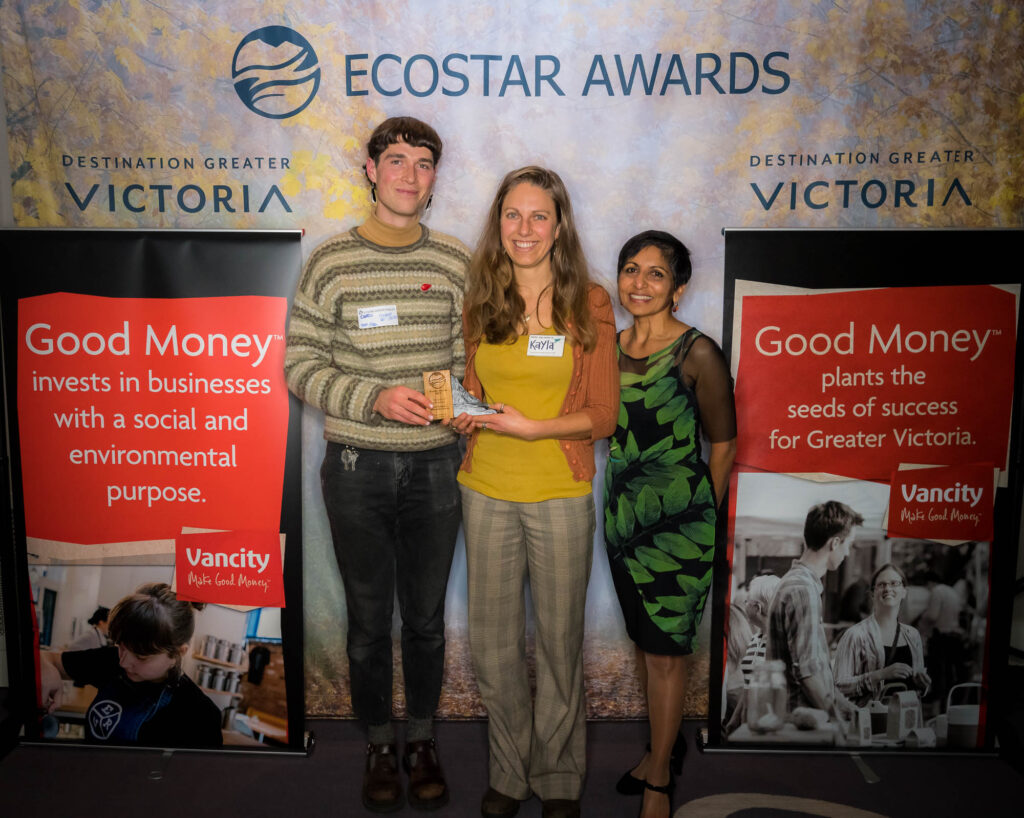
Healing City Soils is a finalist for the Canadian Museum of nature’s Community Action Nature Inspiration Award!  The award celebrates community groups who show leadership in taking action to protect wildlife and habitats, training volunteers and citizen-scientists, or in developing new educational programs for children and adults. The Healing City Soils program analyzes the CRD’s soil health, researches how native plants can be used to remediate contaminated soils, and provides plain language resources and resources to households interested in growing their food safely. 


Learn about the Healing City Soils Program Posted in Accolades, Announcement, Blog, Healing City Soils, News, PartnershipsTagged , ,

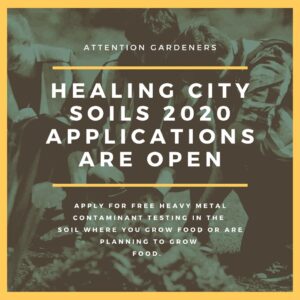
Healing City Soils Applications Are Open!

February 27, 2020


For more information or to fill out an application, click here.

Posted in Blog, Healing City Soils, News, Partnerships, ProgramsTagged , , , , , ,

Healing City Soils 2019 Update

August 29, 2019


The Royal Roads University Student Team, GVA Soil Solutions, has wrapped up their work with Healing City Soils for 2019.  This year the team continued their focus on testing and mapping soil quality in the West Shore Communities, but also received many applications from all over the CRD.  Their final report, with many illuminating results, can be read in our office located at 1216 North Park.
The updated soil quality map, which includes 2019 soil test locations ranging from Sooke to Sidney, can be found here: https://compost.bc.ca/healing-city-soils/victoria-soil-quality-map/
Applicants can expect to receive their test results this fall as well as notifications on how to access to the free workshop “Understanding and Addressing Soil Contamination for Gardeners”.  This workshop, led by soil remediation and mapping expert Steeve Deschenes, assists applicants in making sense of their test results and then making a plan for their gardens should they have higher-than-normal levels of heavy metals in their soils.

Posted in Announcement, Blog, Healing City Soils, News, Partnerships, ProgramsTagged , , , , , ,

2017 Applications Closed: Healing City Soils

June 7, 2017


Thank you for your interest in Healing City Soils, the next round of applications will be open in early 2018.

Save

Posted in Blog, Featured, Healing City Soils, News, PartnershipsTagged , ,

New Healing City Soils Factsheets

September 28, 2016


HealingCitySoils_Logo

The Healing City Soils project has been completed for 2016! Almost 140 soil samples were tested in Victoria and Esquimalt through this joint project with Royal Roads University and the results made into an interactive map (coming soon!) to inform the community about potential for soil contamination and best practices for growing healthy produce in back and front yards and boulevards.

As well, we are thrilled to announce that two of our new factsheets from the Healing City Soils project are now complete.  These factsheets will help urban gardeners learn more about soil contamination and protect their health while growing their own groceries.

Soil Contamination:  Whether you are already growing food or would like to begin a garden, it’s a good idea to learn more about your soil so that you can grow food safely. Urban soils are often compacted and nutrient deficient, and can sometimes contain heavy metals and other contaminants as a result of historical industrial activity, past and present land use and proximity to pollution sources (e.g. a major road). Soil contaminants may get into or onto our veggies and fruits and have negative health effects over the long term. Gardeners can take many simple and inexpensive actions to reduce their exposure to urban soil contaminants. Soils can be managed, improved and made healthy again so that you and your garden can thrive.  Find the factsheet here.

Best Practices for Healthy Urban Gardens:  We recommend that all gardeners follow healthy gardening practices to help reduce exposure to heavy metals and other contaminants. Generally, maintaining a neutral soil pH, adding organic matter and compost to your soil, mulching your garden soil and thoroughly washing your garden produce can reduce your exposure to many soil contaminants so you can enjoy the many health benefits of eating fresh garden-grown fruits and vegetables. Find the factsheet here.

Save

Save

Posted in Announcement, Blog, Fact Sheet, Featured, Healing City Soils, NewsTagged , , ,

Soil Testing Underway For Healing City Soils Project

April 6, 2016


DSCN0721
DSCN0717


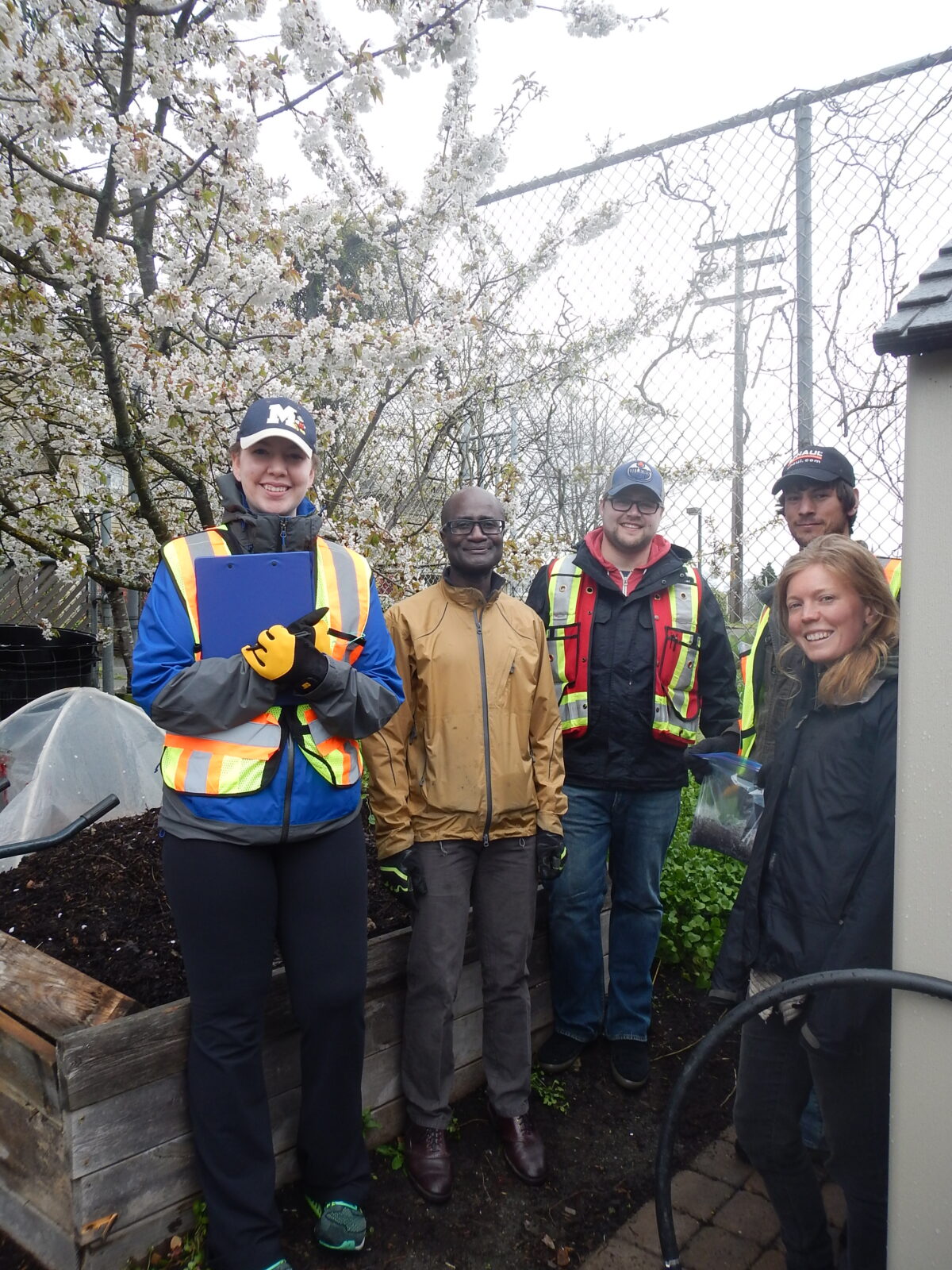
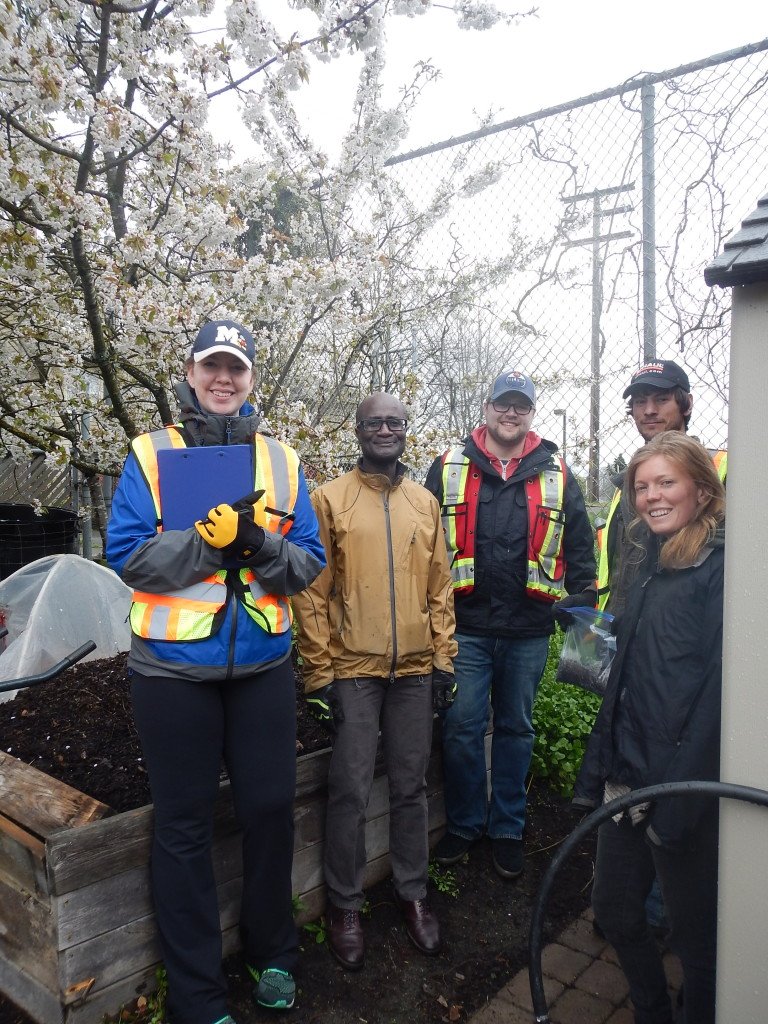
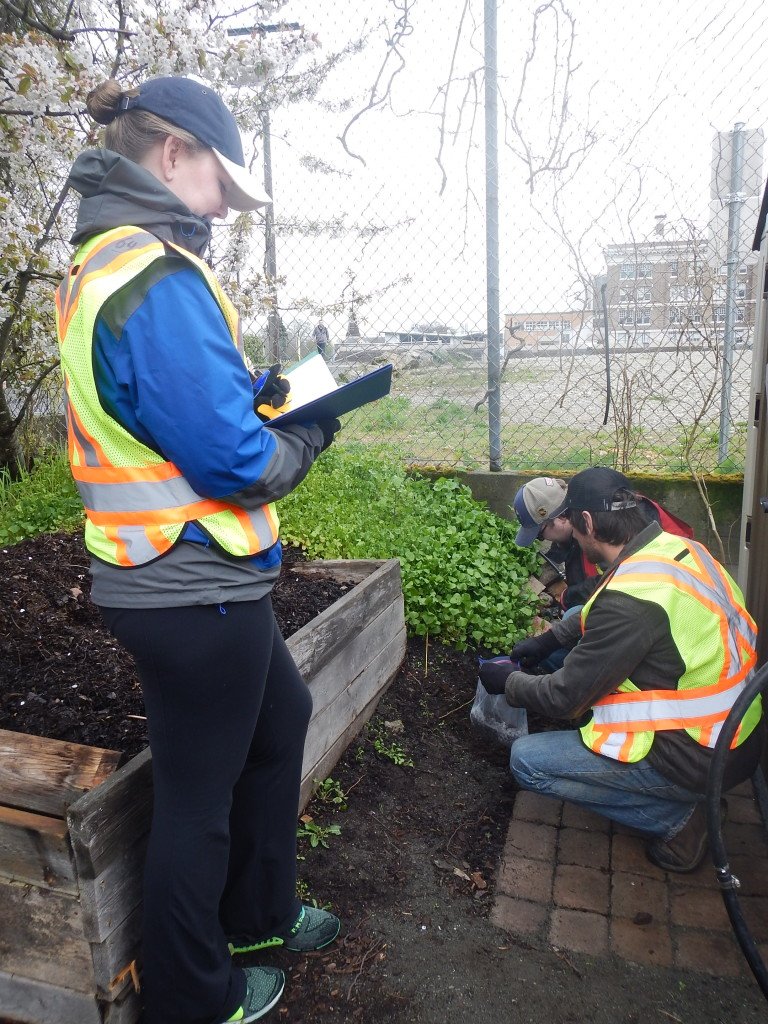
It was a successful first day of soil testing for the Healing City Soils Team! The team will be taking samples from residential yards and boulevards for the next two months around Victoria and Esquimalt and the information collected will be uploaded into an interactive soil health map. Learn more about the project here.

Posted in Announcement, Blog, Civic Engagement, Featured, Healing City Soils, PartnershipsTagged , , , ,

Introducing our new Healing City Soils project!

February 25, 2016


Bioremediation (1)

We are very excited to announce that we have partnered with Royal Roads University and Danielle Stevenson of DIY Fungi to launch a new project called Healing City Soils.  Bridging urban agriculture, composting, food literacy, ecological restoration and bioremediation, this initiative brings together the municipalities of Victoria and Esquimalt, local post-secondary institutions, food security organizations and people who are interested in growing food and building the soil beneath their feet.

This project is about getting to know the soil beneath our feet, and building community around healing it. Ensuring the soil is healthy is a first step to any urban agriculture project; from backyard growing to community and boulevard gardening. Urban soils can sometimes contain heavy metals and other contaminants as a result of our industrial past and present.  This is not so great for our urban food gardens as the contaminants can get into or onto our veggies and fruits. Soil testing can be expensive, and the results can be confusing or disheartening, which ends up being a barrier to getting more folks growing.

The goal of Healing City Soils is to analyze the health of Victoria’s soils and create a virtual soil map of Victoria highlighting areas where heavy metals need to be addressed before growing food. This map will be paired with factsheets and workshops to empower people with the knowledge and skills to grow food safely or to heal the soil with compost, plants and mushrooms.

Interested in having your soil tested or learning more about this exciting project?  Find more information here.

Posted in Blog, Civic Engagement, Featured, Healing City Soils, News, PartnershipsTagged , , , ,