Mycology at the CEC

December 20, 2023


Ever since moving to the coast, I’ve been fascinated by flora and have spent a lot of time learning the names of the plants around me and how to recognize them. While spending so much time in the forest admiring plants, it became hard to ignore fungi when fall rolled around. Since 2021, I’ve been equally enamored with the fungal diversity that can be found here on the south island, which led me to join the South Vancouver Island Mycological Society (SVIMS). Joining the mycological society has been very fun, and has provided me the opportunity to learn from countless experts while expanding my knowledge of the fungal kingdom.


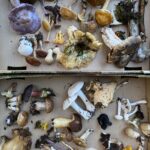
This fall, the CEC supported me in attending SVIMS’s annual Cowichan Lake Foray as a professional development opportunity. The Foray is a Friday-Sunday event consisting of several guided mushroom walks, identification and generally a survey of the fungal biodiversity in the area. There were a plethora of amazing things out there, but my mushr.oom find of the weekend was definitely finding my first Cauliflower mushroom (Sparassis radicata), which I was able to take home and cook with my roommates. Another fun part of the weekend was getting to help out in the identification room a bit. When I first joined SVIMS, I mostly practiced “keying out” mushrooms that others already knew what they were to get familiar with the process. Keying out is the process of identifying fungi using guidebooks and other resources. This time around, I tried my hand at keying out mushrooms that hadn’t yet been successfully IDed and ended up identifying one of them as a Tricholoma species that we only found one potential previous record of having been observed in British Columbia. SVIMS ended up sending it for DNA sequencing so it’ll be exciting to see if the results are a match for the ID I made!

[envira-gallery id=”9661″]

Compared to plants and animals, there is a lot more we don’t know about what fungi species we have here in North America. Many species here are currently named for similar European species, but as more genetic sequencing is done, we are discovering that the species are distinct from their European counterparts and/or what we previously considered to be just one species is actually several. For this reason, even the most amateur mycologist can make interesting contributions by observing, documenting, and preserving specimens they find. While learning about the ever-evolving taxonomy of fungi is interesting, it’s even more intriguing to learn about all the various roles fungi have in the ecosystem as well as the ways they interact with plants, insects, animals. and everything in the forest.


In my role running the semester long Let it Rot (LIR) program at high schools in the CRD, it has been so great to get to incorporate mycology with the knowledge I’ve gained at SVIMS over the past two years. This fall, I ran a mycology unit as part of LIR which included a guided mushroom walk, a lesson in documenting fungi using field slips, recording key information, properly collecting and taking spore prints. We also learned about fungi’s many roles in the ecosystem and wrapped it up with some fungi trivia. The students were quite excited about mushrooms and got really into trying to spot them. Even this week in early December weeks after our mycology unit students were asking if we could do another mushroom walk. I’ll be looking forward to another mycology unit in 2024 when some spring fungi are out. And stay tuned for an adult introduction to mycology workshop fall 2024!

 By Elora Adamson, Child & Youth Education Manager
Keen to learn more with Elora about mushrooms?

Stay in the loop by becoming a member today

Posted in Blog, Child and Youth Education, Let It Rot, Professional Development, ReflectionsTagged , , , ,

Strategic Planning Updates

December 1, 2023


I joined the Compost Ed Centre as Executive Director in February 2023, and I’m constantly learning about who we are and what we do. Let me begin by saying that I am so grateful to work with Elora, Jeffrey, Kayla, and Zoe-Blue. Earlier this year in anticipation of our strategic planning, we sent out a survey to gather data from our community as to what they view as the Compost Ed Centre’s strengths and what they might want us to do differently in the next three to five years. Consistently, the responses highlighted knowledgeable, engaging, and passionate staff as our core strength. And for the future? For us to keep doing what we have been doing – and possibly some expansion!? The responses highlighted for me how well-established and well-loved the Compost Ed Centre is after 30 years of operation.


We want to share our many thanks to everyone who filled out a survey! We compiled the responses into a short PowerPoint to provide some context to our strategic planning.


What has resonated for me most in this role and what we have learned from you all is how the Compost Ed Centre creates impact through education and research. On one level, we transfer technical skills that empower workshop participants, site volunteers, university students, and schoolkids to take on climate mitigation and adaptation action. But on another – and more profound – level, we integrate folks into our community of plants and people. The Compost Ed Centre cultivates an increased sense of connectivity and reciprocity, and we do it by sharing knowledge in a welcoming way.

I can speak personally to how welcomed I have felt to this role and to the Compost Ed Centre’s community. I want to highlight how fortunate I’ve been to work with Alexis so much over the past few months as she has transitioned out of the Executive Director role. The pandemic and post-pandemic inflation has hit nonprofits hard, but Alexis’s steady and wise tenure as Executive Director made it possible for me to step into this role with a confident rather than crisis mindset. Amidst so much change in the world, I feel reassured that the Compost Ed Centre will continue to thrive in the same way for the next 30 years by catching and mixing folks right on into our community – just like the browns and greens in a hot compost pile.

Haven’t yet hopped into the hot compost pile?

Become a member of our community today!

We want to express our gratitude to the Government of Canada’s Community Service Recovery Fund, which has made our strategic planning work possible. The Community Services Recovery Fund is a one-time $400 million investment from the Government of Canada to support community service organizations, including charities, non-profits and Indigenous governing bodies, as they adapt and modernize their organizations. We have been able to engage in the staff retreat and other strategic planning activities with the support of the CSRF.

By Claire Remington, Executive Director


Posted in Announcement, Blog, Board, News, Reflections, Stategic PlanningTagged

August Organic Plant Sale Wrap up & Thank yous

August 10, 2022


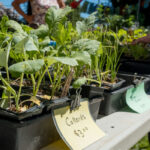
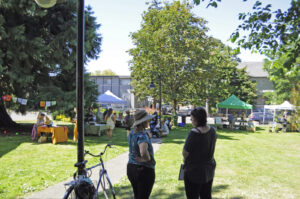
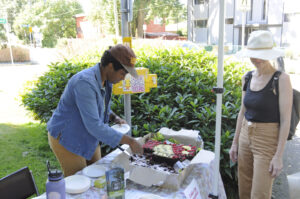
Wow, what a great turn out for the plant sale last weekend! A massive thank you to every person who came out to buy plants, connect with community, and celebrate the CEC’s 30th birthday with us.


These fundraising events are paramount to the operation of our year-round programming which connects many people, young and old, to composting and ecological gardening education.


A special thank you to all the volunteers who wheelbarrowed HUNDREDS of plants from our demonstration gardens to Haegert Park.

And we’d also like to thank our generous event sponsors who made the growth of this year’s sale to a market event possible: Country Grocer, Paper Heart Films, Root Cellar, Chek Media, Hoyne Brewing, Cold Comfort Ice Cream, and Vancity

Happy planting, and remember—you can always call our hotline if you have any composting or gardening questions! 250 386 WORM (9676) 

Posted in Blog, Events, Fundraising, News, Organic Gardening, ReflectionsTagged , ,

BioDiversity Vol.2

August 31, 2021


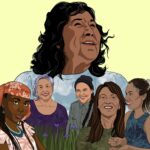
Volume 2 of our Biodiversity Zine is now published! This new volume is focused on Indigenous Ecological Stewardship and explores stories of 6 Indigenous folks, and the relationship and connection they have with land. 

The Biodiversity zine is written and created for youth by CEC staff member Zoe-Blue! It’s a great resource to explore Indigenous Ecological Stewardship with your children, or as a self guided resource for older youth. The current volume looks at invasive and native plants, remediation, Indigenous plant knowledge and how we can better care for the land we are living on. Click here to view the PDF version of the zine. The Zine is also available for pickup at the CEC, or via mail, both by donation. 

Know of other great resources for child and youth education relating to composting, soil health, or ecology/sustainability more broadly? We would love to hear about them and continue to share these resources. Please feel free to share any resources you encounter with our Child & Youth Education Coordinator Elora at education@compost.bc.ca

Posted in Announcement, Blog, Featured, News, ReflectionsTagged , , , , , , Leave a Comment on BioDiversity Vol.2

CEC, COVID-19 Preparedness and Flattening the Curve

March 14, 2020


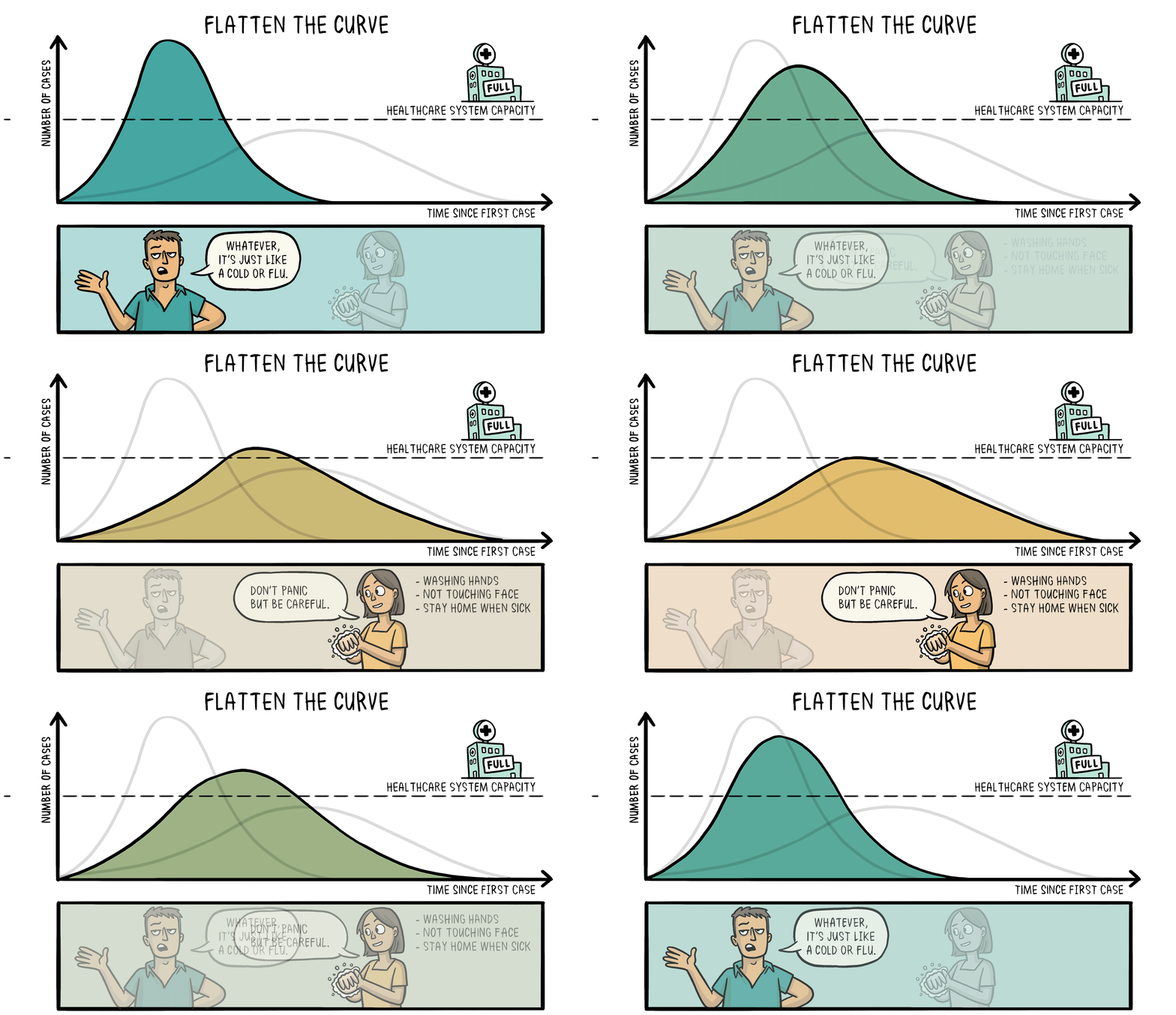
The Compost Education Centre is currently doing its part to respond to COVID 19 concerns and working to “flatten the curve” of the outbreak.

Although policies and events are evolving rapidly we are currently:

  • Maintaining a healthy work environment with posted information about how to stop the spread of illness.
  • Encouraging employees, visitors and workshop attendees to stay home when ill, having traveled to one of the countries on Canada’s advisory list or having had recent contact with a sick person.
  • Promoting proper hygiene (hand washing, coughing and sneezing etiquette) and social distancing among employees, visitors and workshop attendees.
  • Ensuring easy availability of soap and water, or alcohol-based hand sanitizer products.
  • Expanding and establishing policies and tools that enable employees to work from home.

You can connect to trusted information via the Office of the Provincial Health Officer or the BC Centre for Disease Control.

Posted in Announcement, Blog, Featured, News, ReflectionsTagged , , ,

Troubleshooting Roots in Your Compost Bin

August 10, 2018


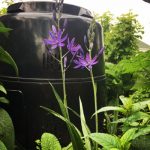
Though composting can be a pretty basic process once you understand the fundamentals, there’s bound to be a few hiccups along the way. In this video, Site Manager and Adult Education Coordinator, Alysha Punnett, shows us how to tackle the invasion of wandering roots in a compost bin.

Posted in Blog, Composting, Featured, News, Organic Gardening, ReflectionsTagged , , , , ,

Teaching Gardens and Resource Centre Site Tour Teaser

September 22, 2017


Posted in Announcement, Blog, Featured, News, Organic Gardening, ReflectionsTagged , , , ,

Presenting our new video!

July 22, 2015


Drum roll, please! Presenting our OFFICIAL VIDEO!

Huge thanks to Aldridge Street Print & Media for doing such an awesome job!

Posted in Announcement, Blog, Composting, Featured, News, Organic Gardening, Reflections, StaffTagged , , ,

Solstice Beauty

June 23, 2014


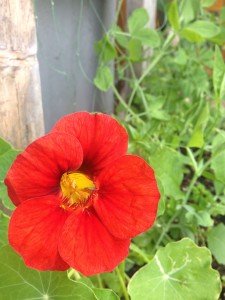
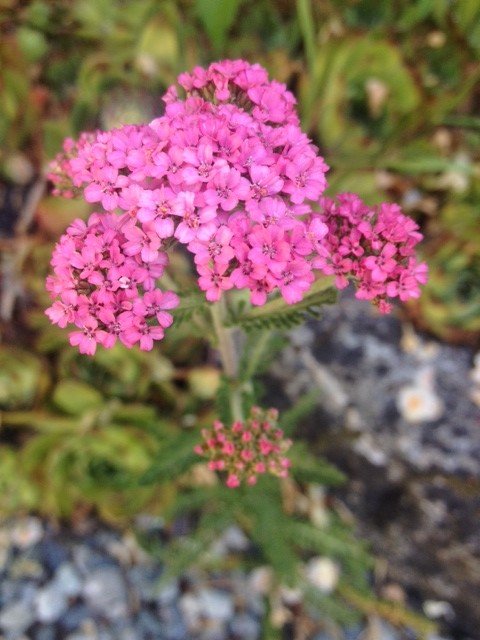
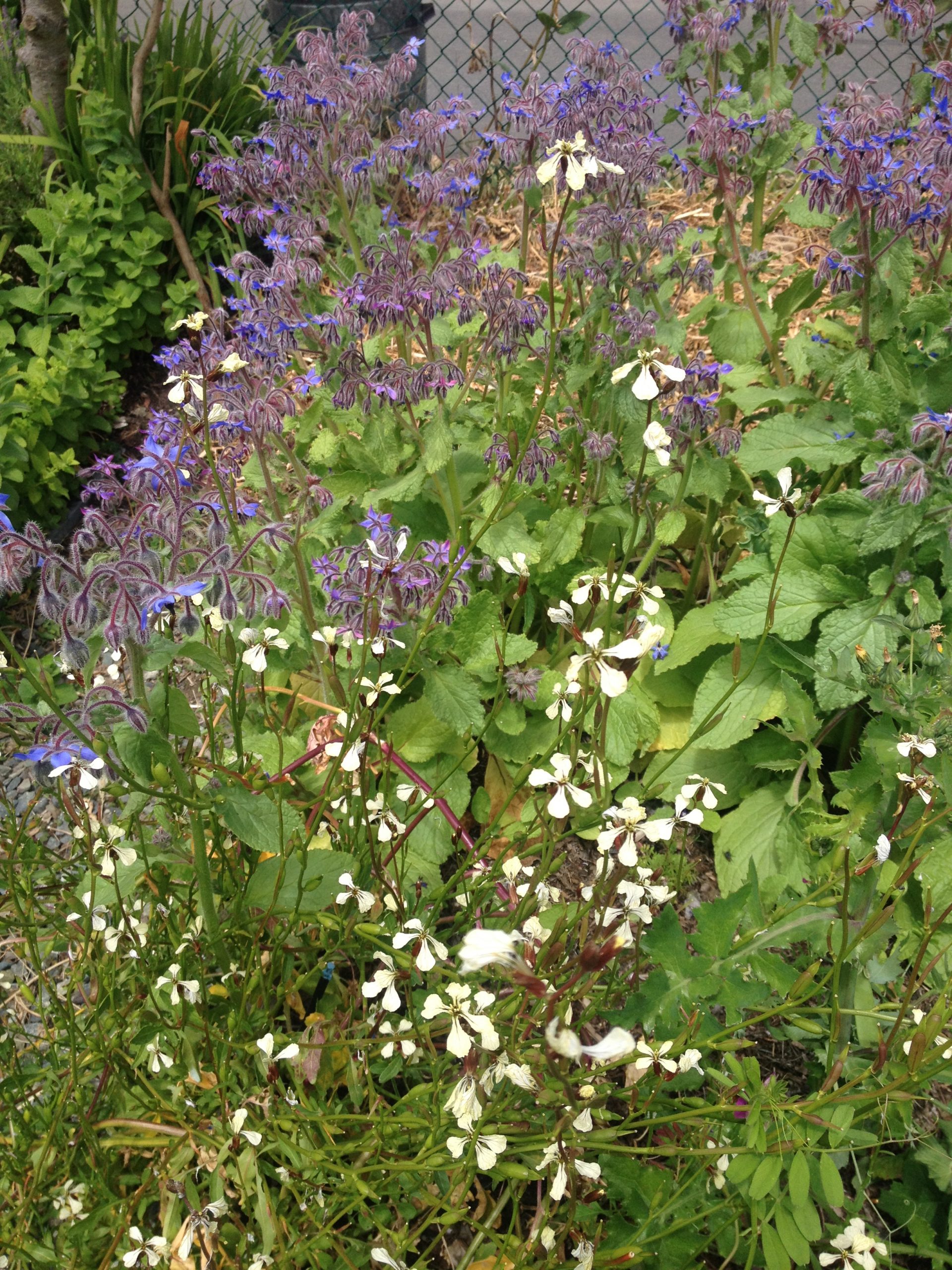
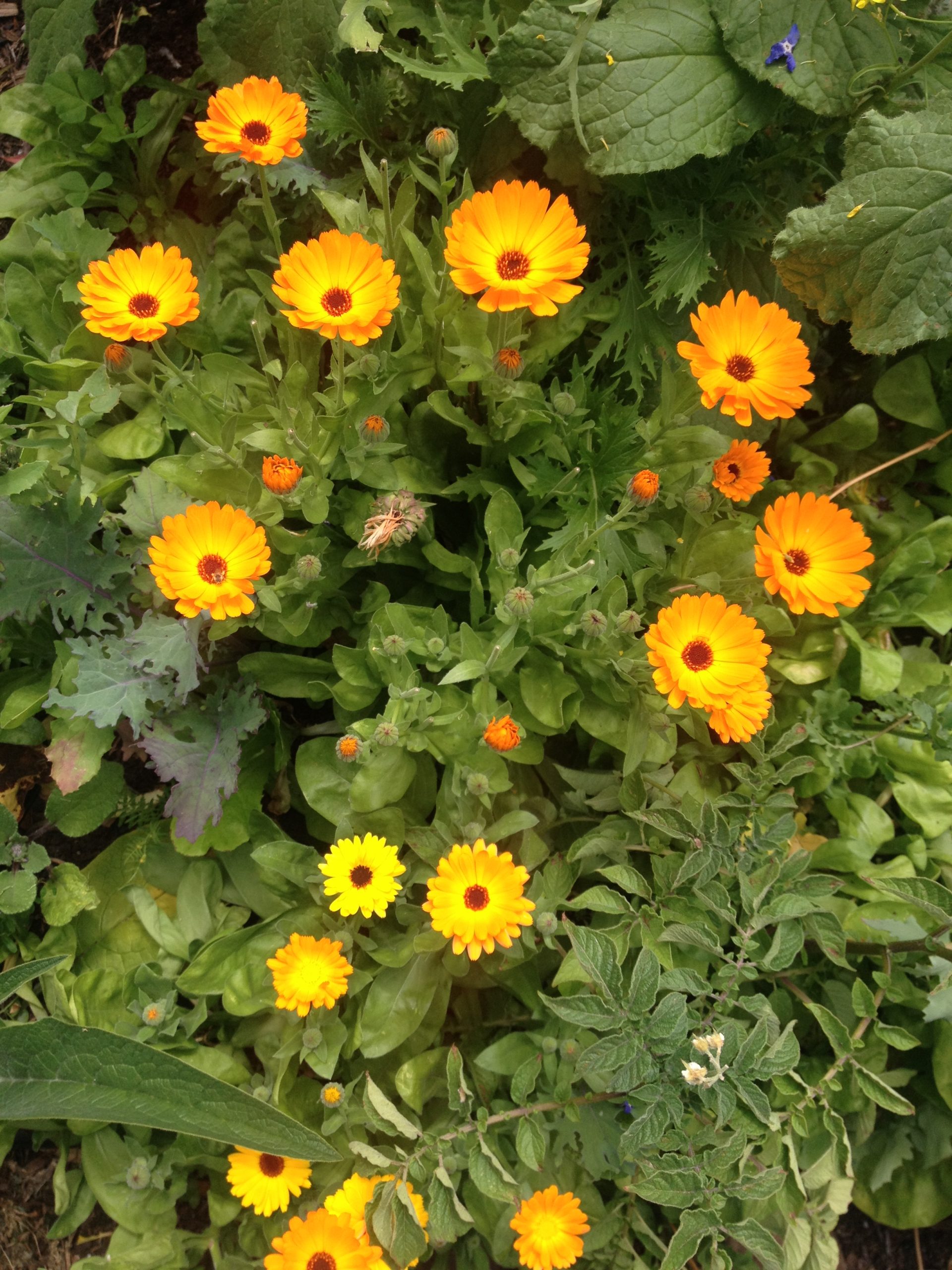
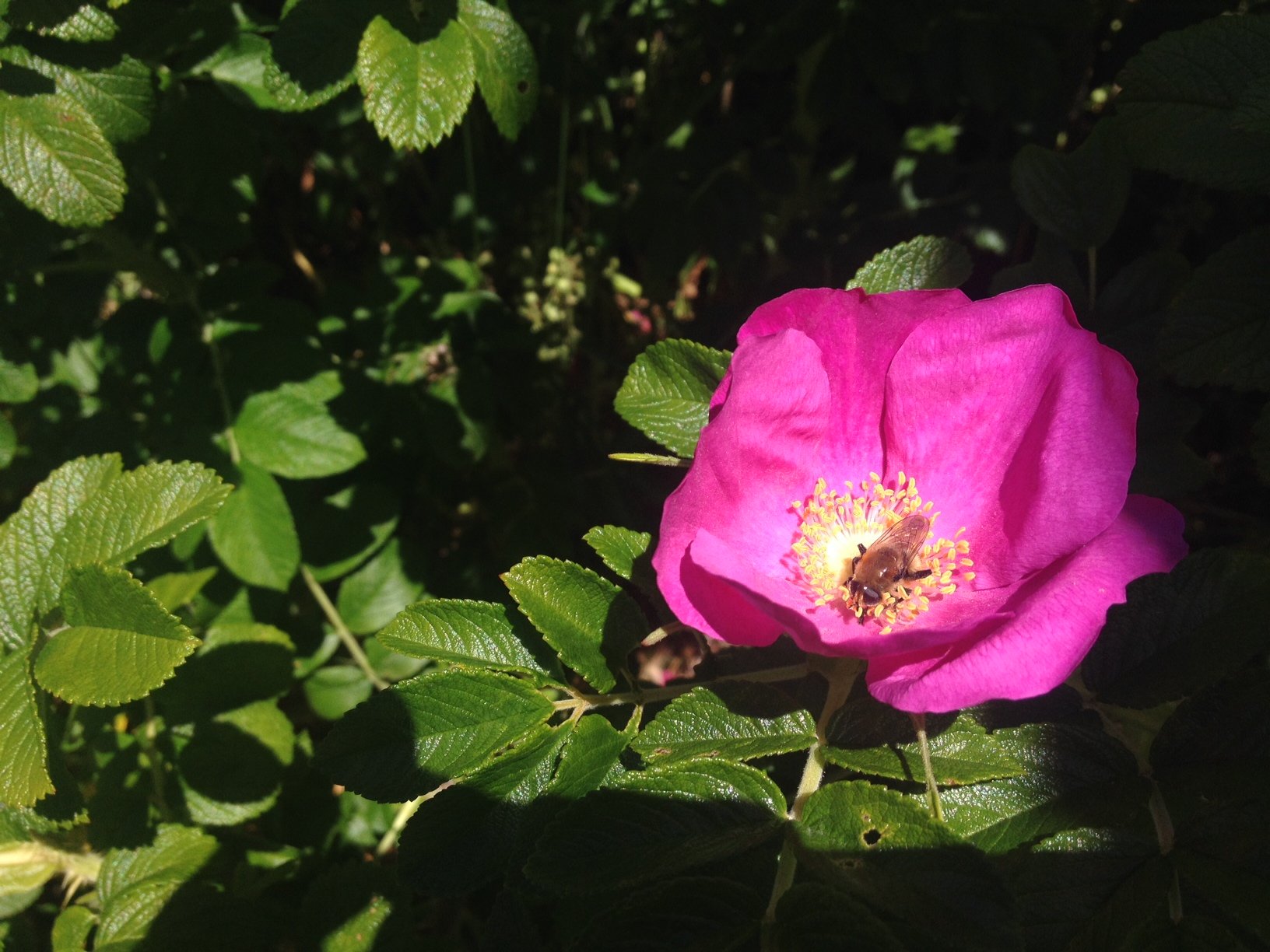
June is the month where things settle into their boots (or roots, if you will) and start to show off everything they’ve got.  I recently took a walk around the garden on the Summer Solstice to capture some of the sweet moments that are currently happening.  Think nasturtiums, calendula, borage, phacelia, arugula flowers, Johnny Jump Ups and a king-size mullein! (Click on the photos for larger, more glorious images)

red nasti

patio nasturtiums

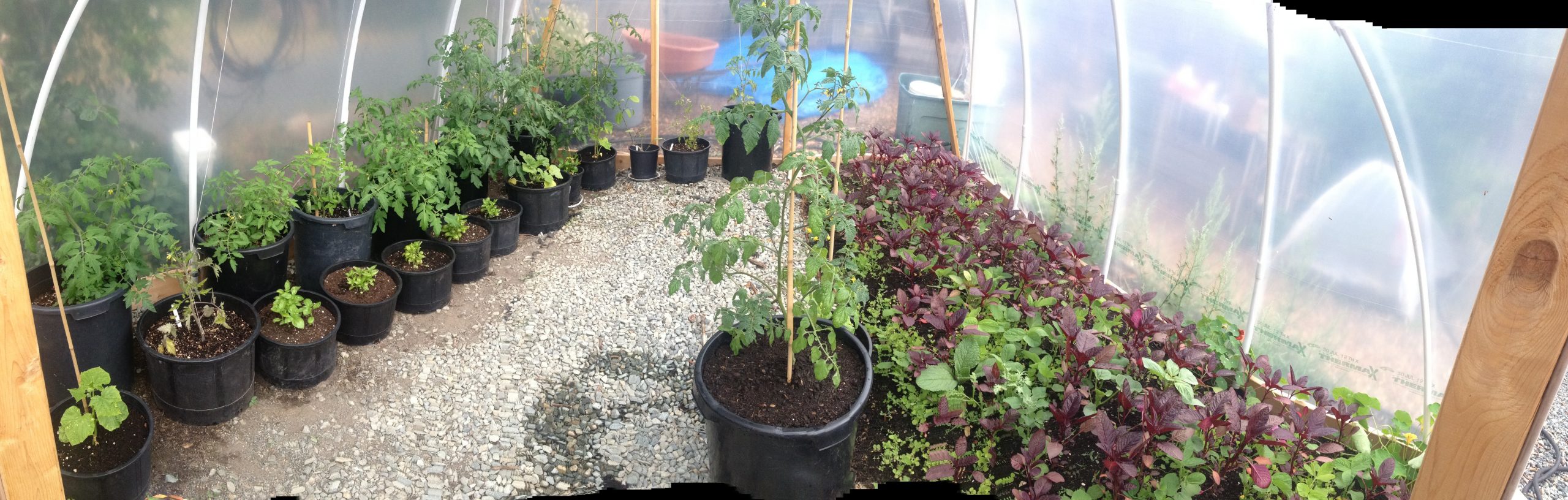
greenhouse pano

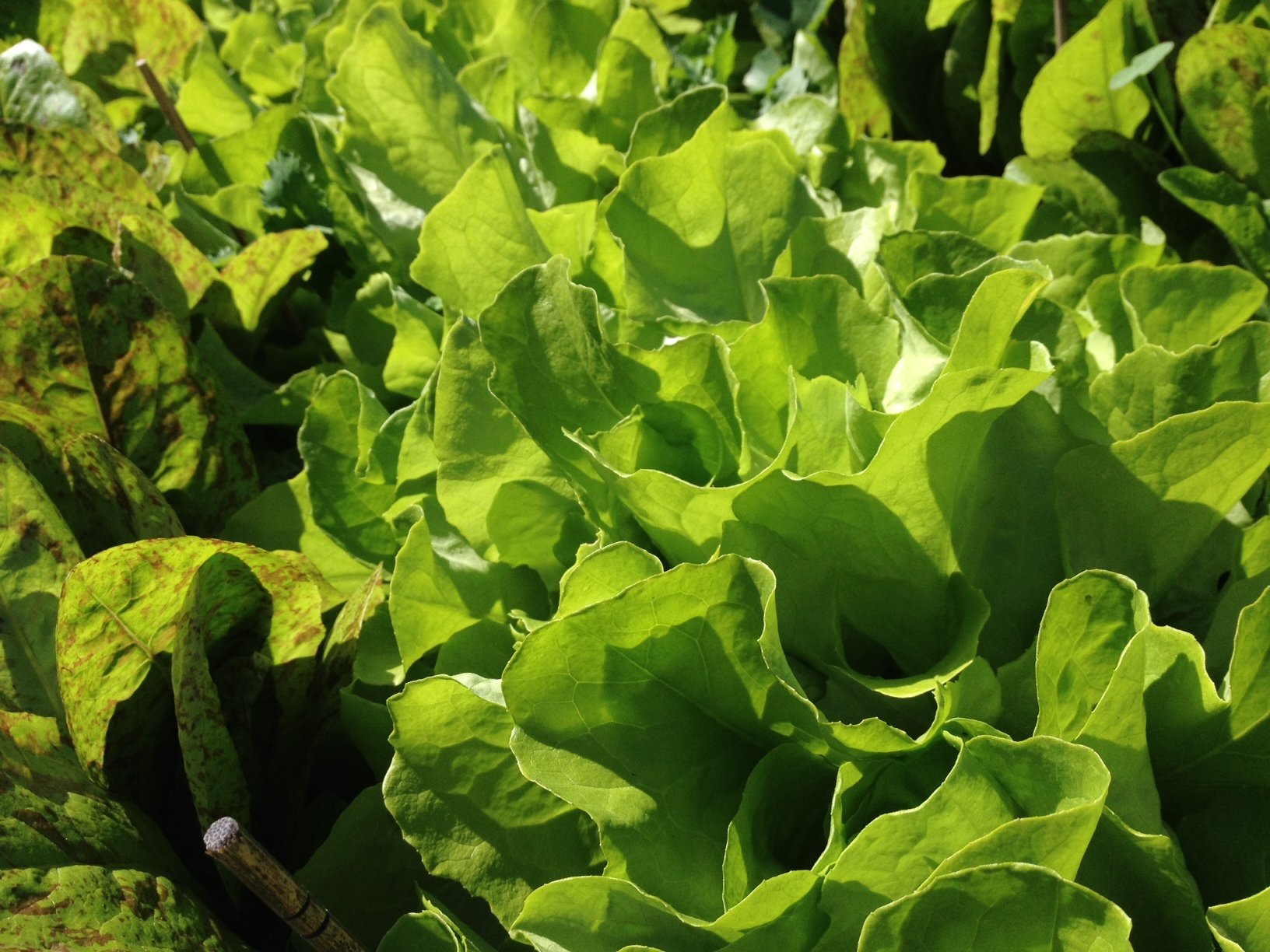
lettuce 1

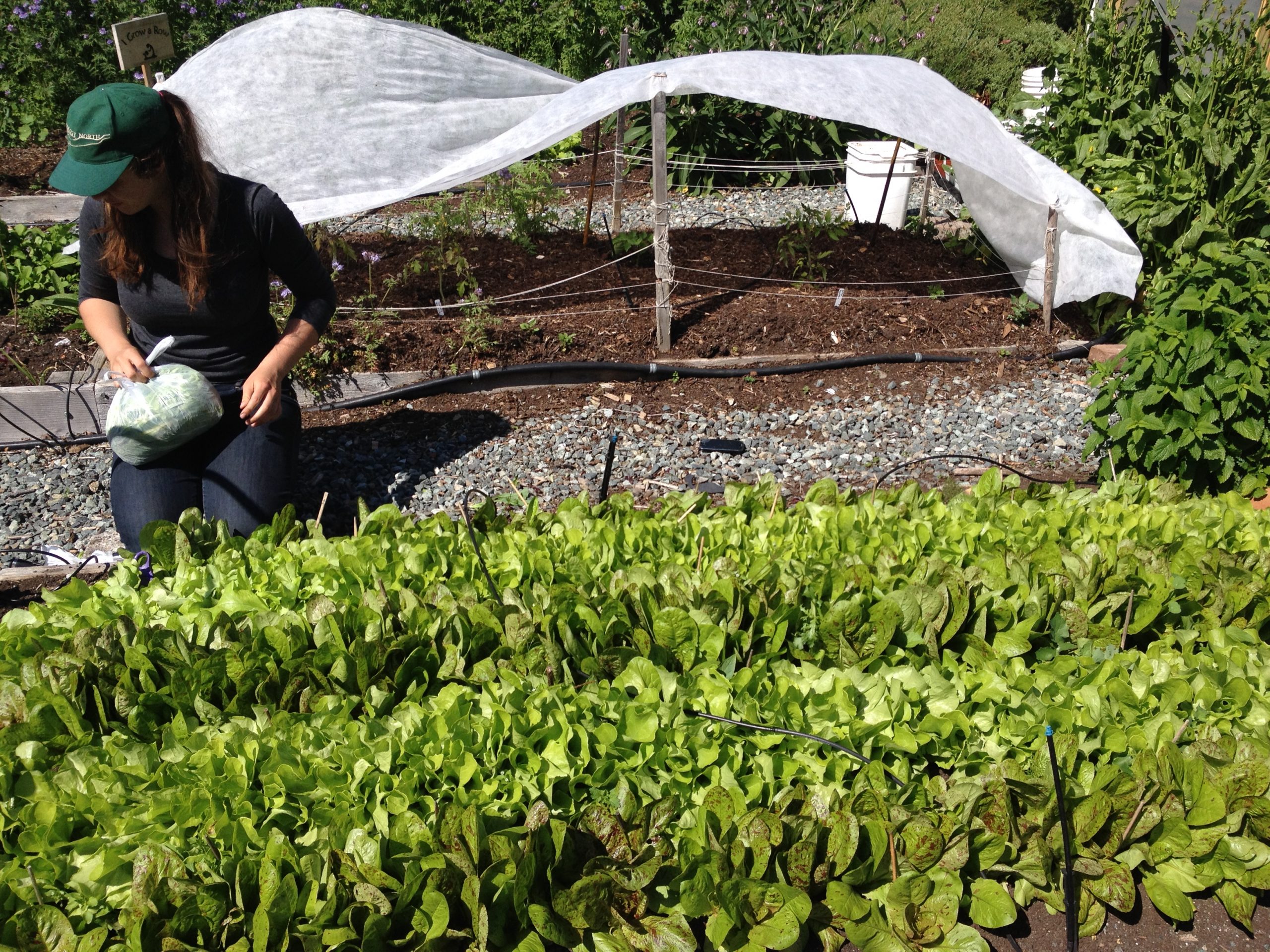
emily lettuce

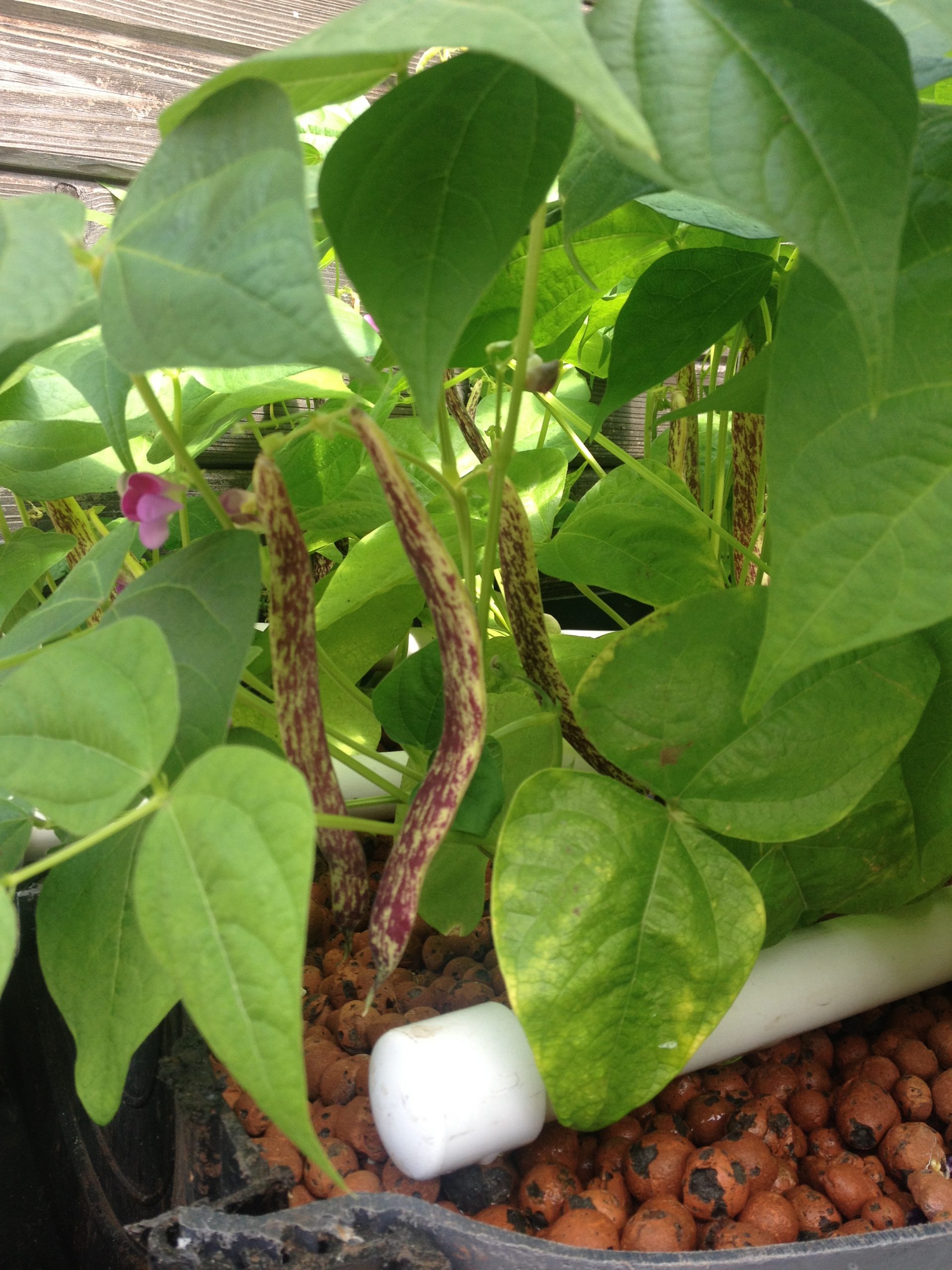
dragon tongue

yarrow


arugula

calendula

rose bee

calendula and borage

bee phacelia

oca and jollies

tangerine nasturtiums

king mullein

phacelia phlox

petals


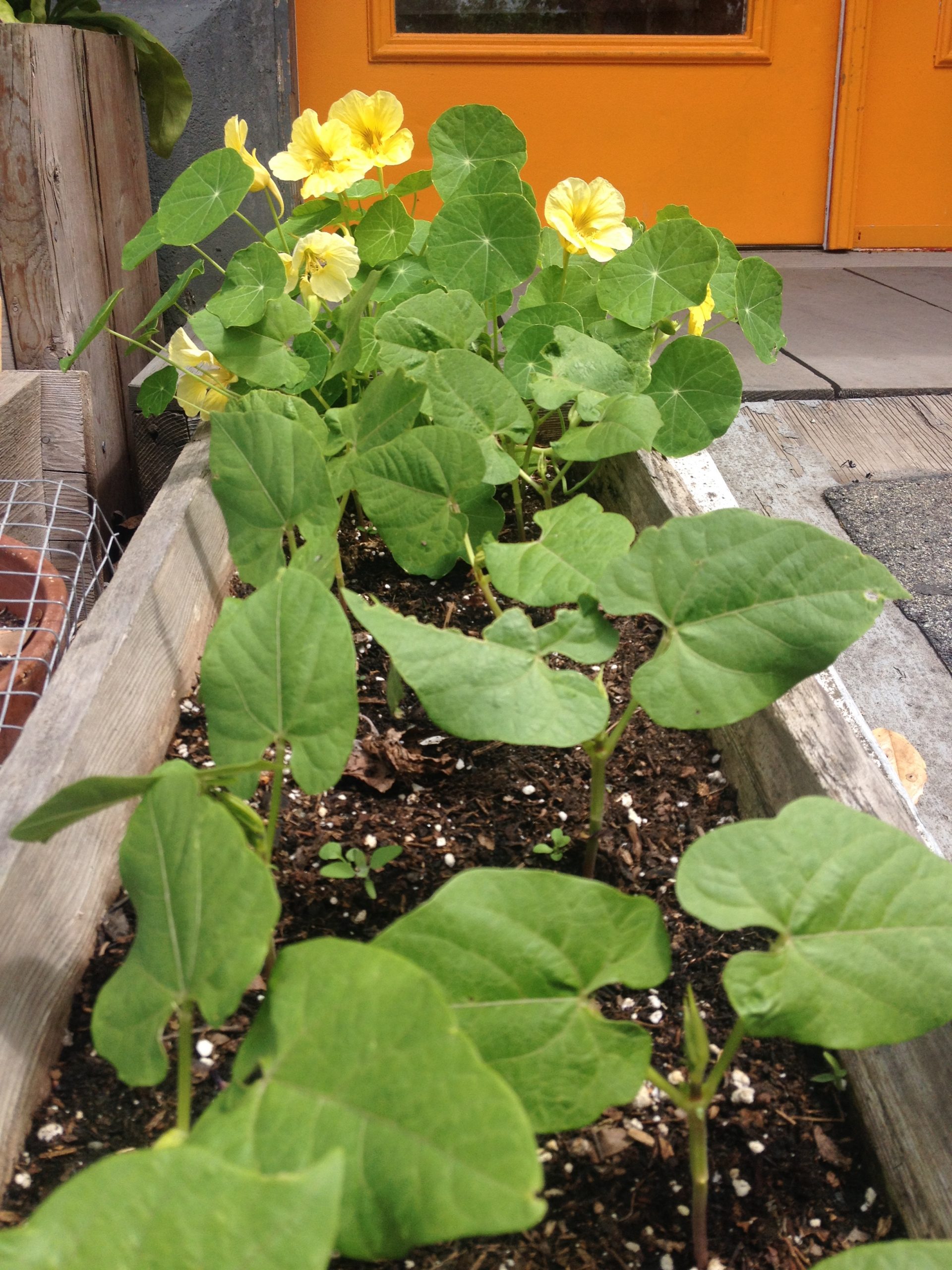
Many of the flowers pictured here are deliberately planted as companions for the vegetables nearby.  Calendual and nasturtiums act as pest traps, attracting aphids away from squash and brassicas.  Borage and phacelia attract pollinators (like the bumble bee doing the splits above!) to squash, tomato, and cucumber flowers.  And Johnny Jump Ups and roses bring joy to pretty much anyone who stops to spy or sniff them.  Welcome to summer everyone!


Posted in Blog, Featured, Organic Gardening, Pollinators, ReflectionsTagged , , , , , Leave a Comment on Solstice Beauty