
RESOURCES
Factsheets
Curious about composting or organic food growing methods? We’ve got factsheets to cover all of your bases!
-
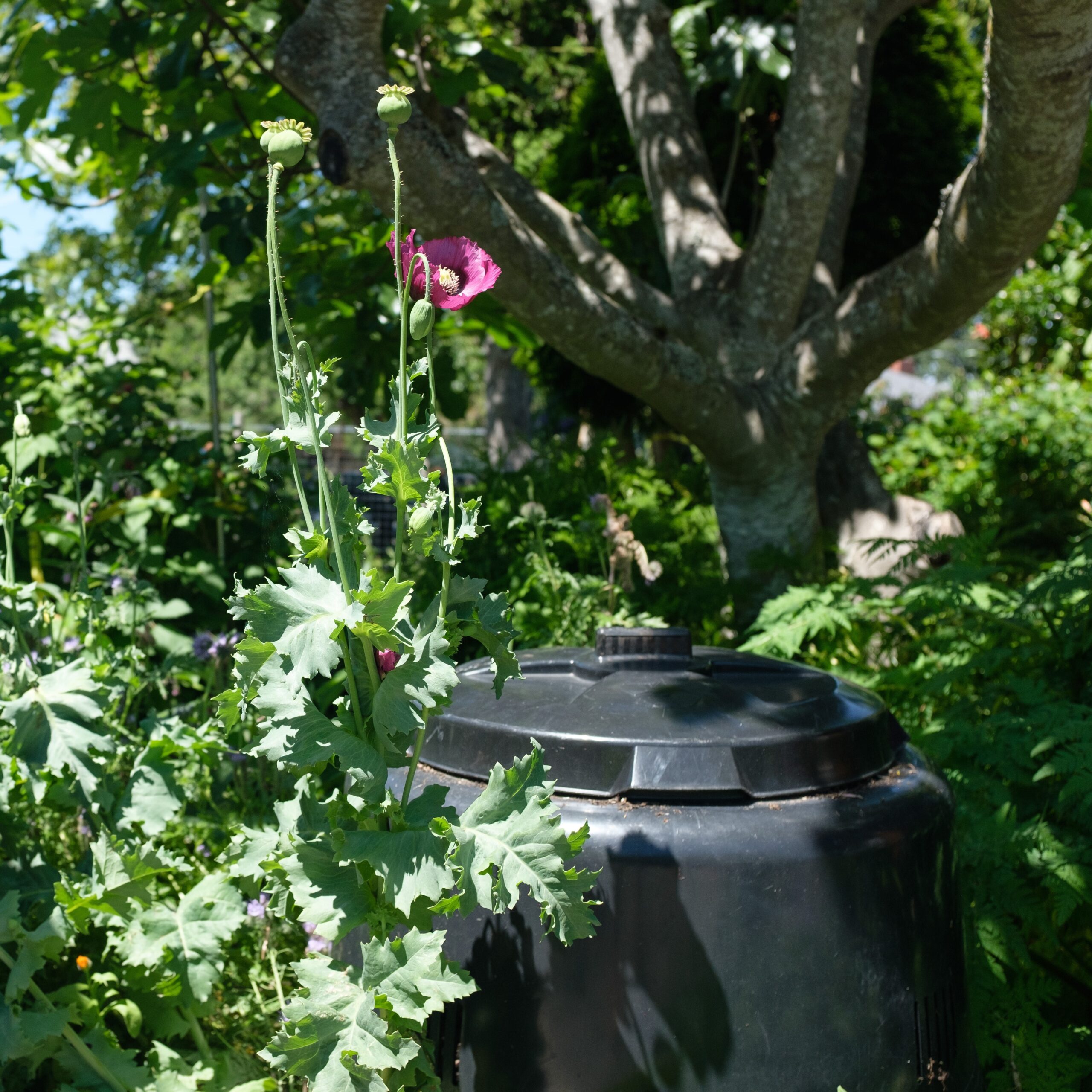
#1 Backyard Composting
Backyard composting is a way to recycle plants, animals, and other organisms back into the soil.
-
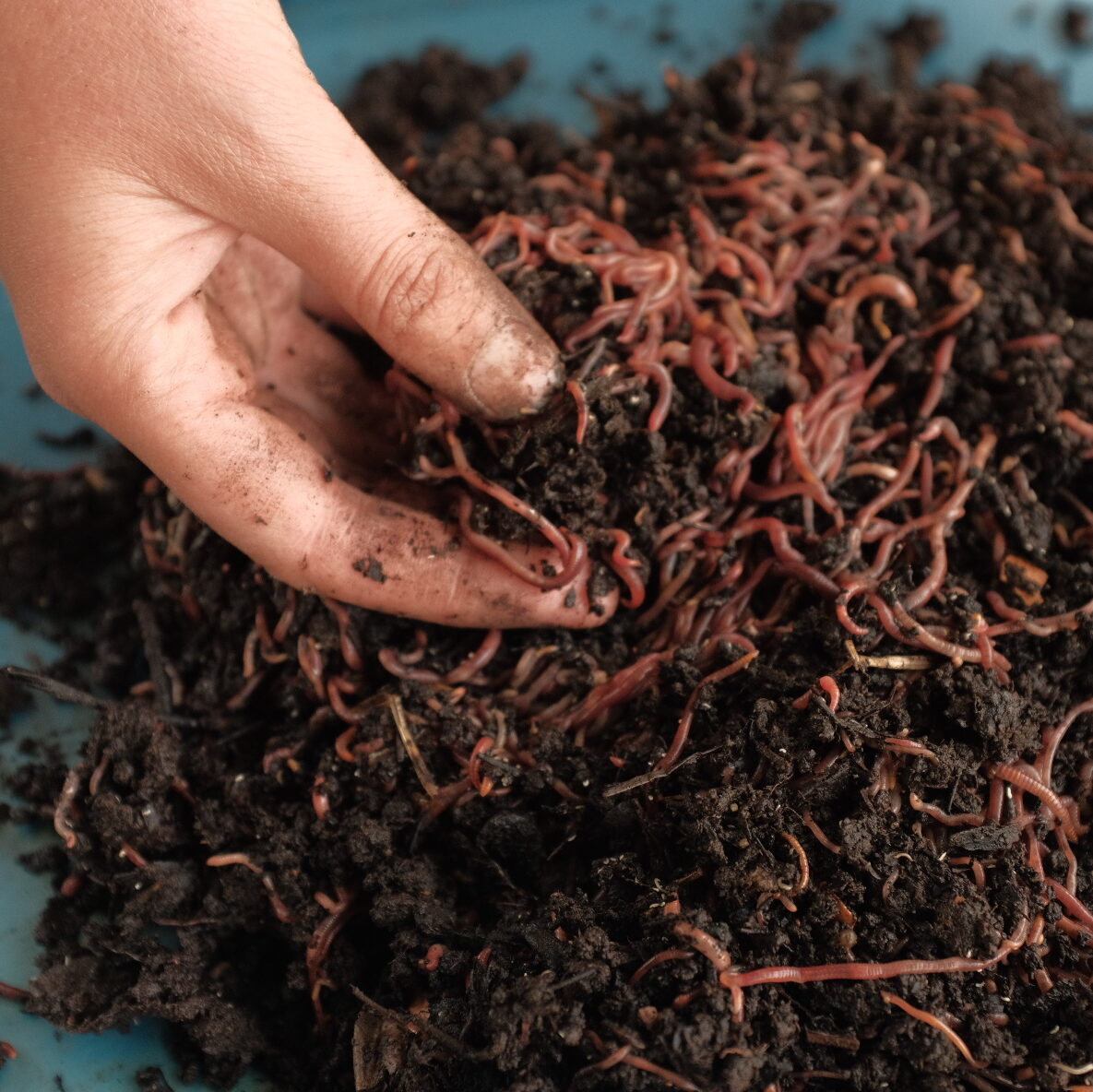
#2 Vermicomposting
Vermicomposting, or worm composting is an easy process that requires only a few simple components: some red wriggler worms, a ventilated bin, bedding for the worms to live in, food for the worms, and some time to harvest their nutrient rich castings.
-
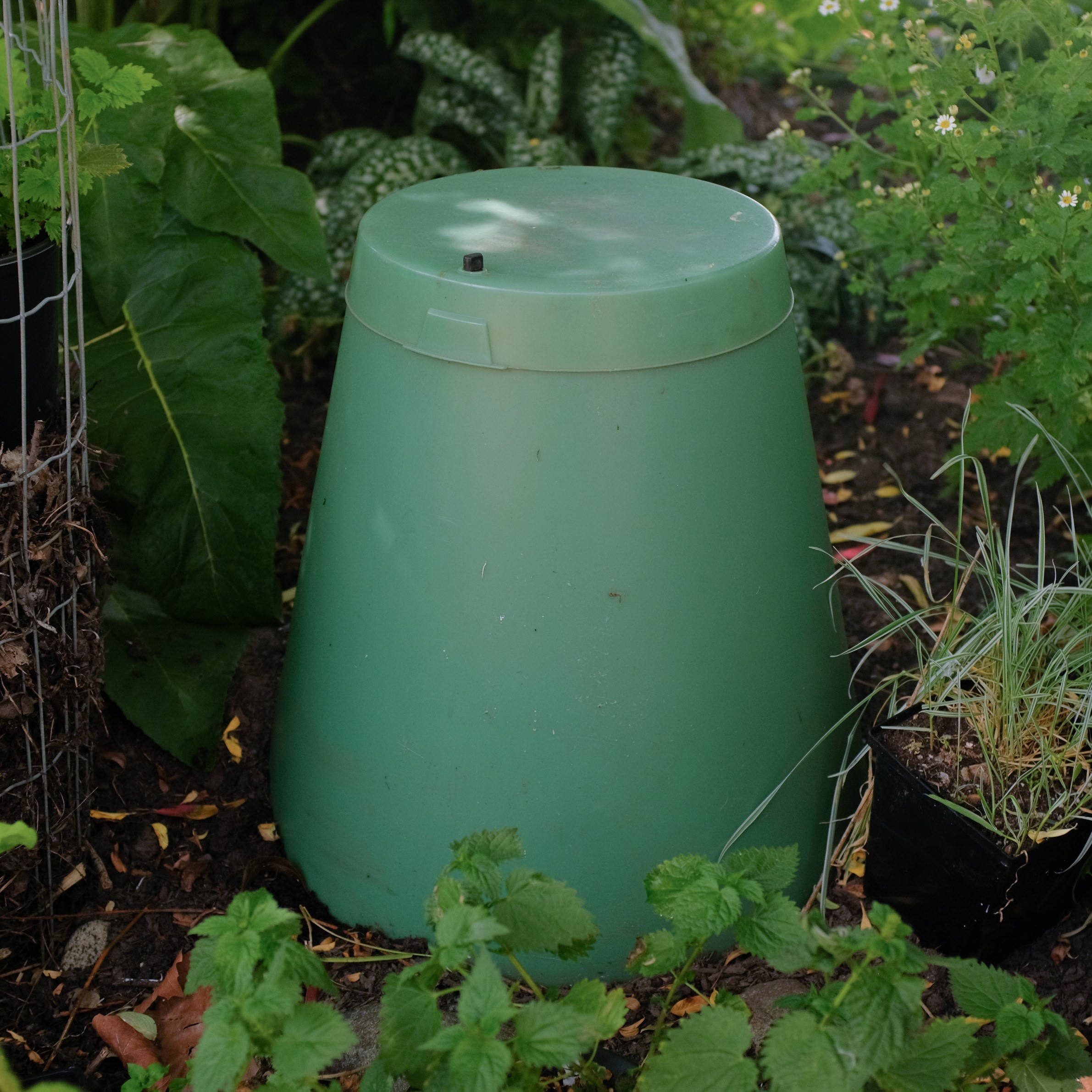
#3 Backyard Food Waste Digester
Food waste digesters are the easiest way to compost any type of kitchen scraps, including hard to manage kitchen waste like meat, breads, dairy and processed foods. Since these food scraps often attract rodents, the enclosed, half-buried digester acts as a deterrent, keeping rodents out of your compost and away from your home.
-
#4 Hot Composting
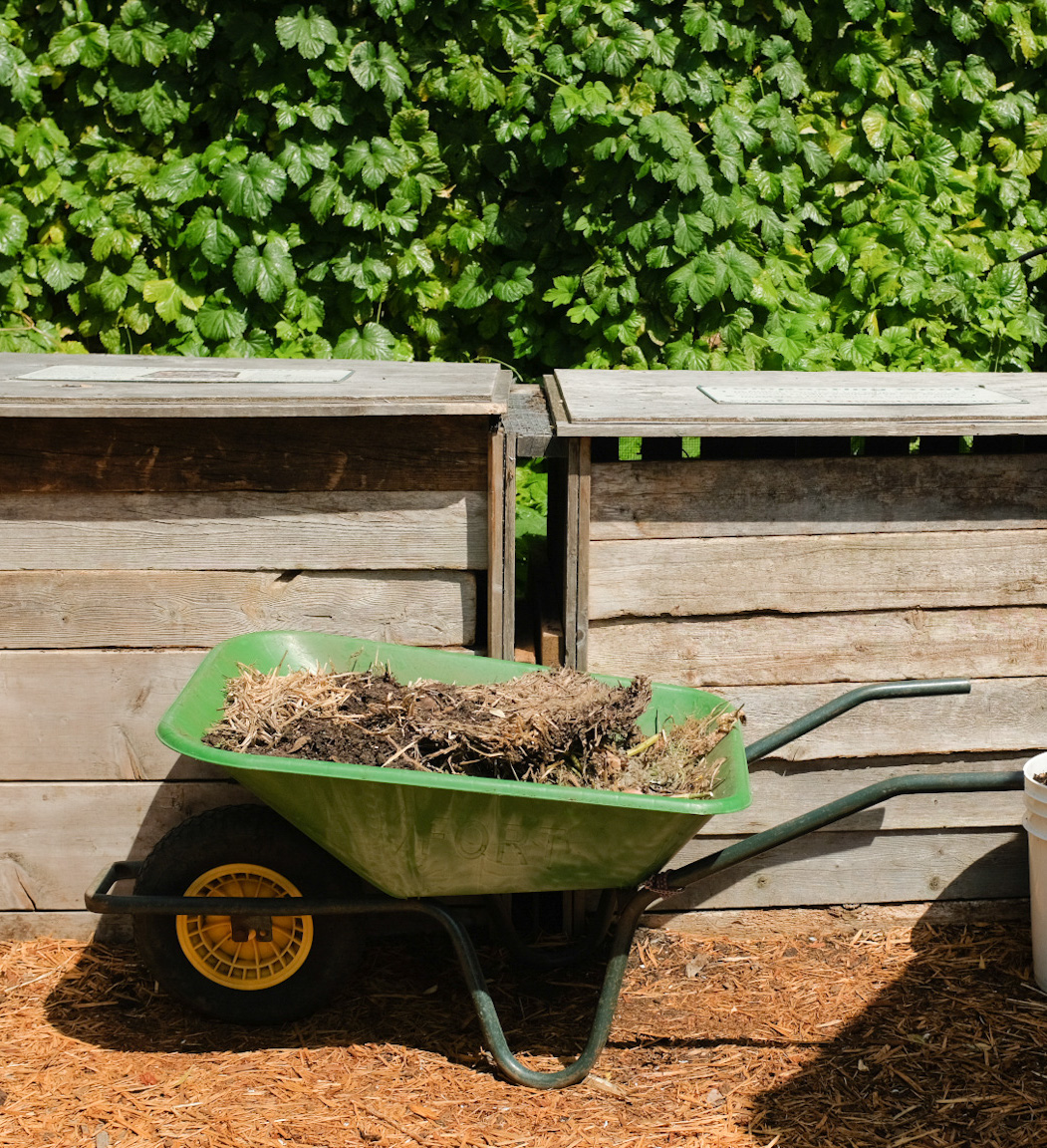
Hot composting is an effective way to make large quantities of compost, in as little as 3 months.
-
#6 Urban Leaves
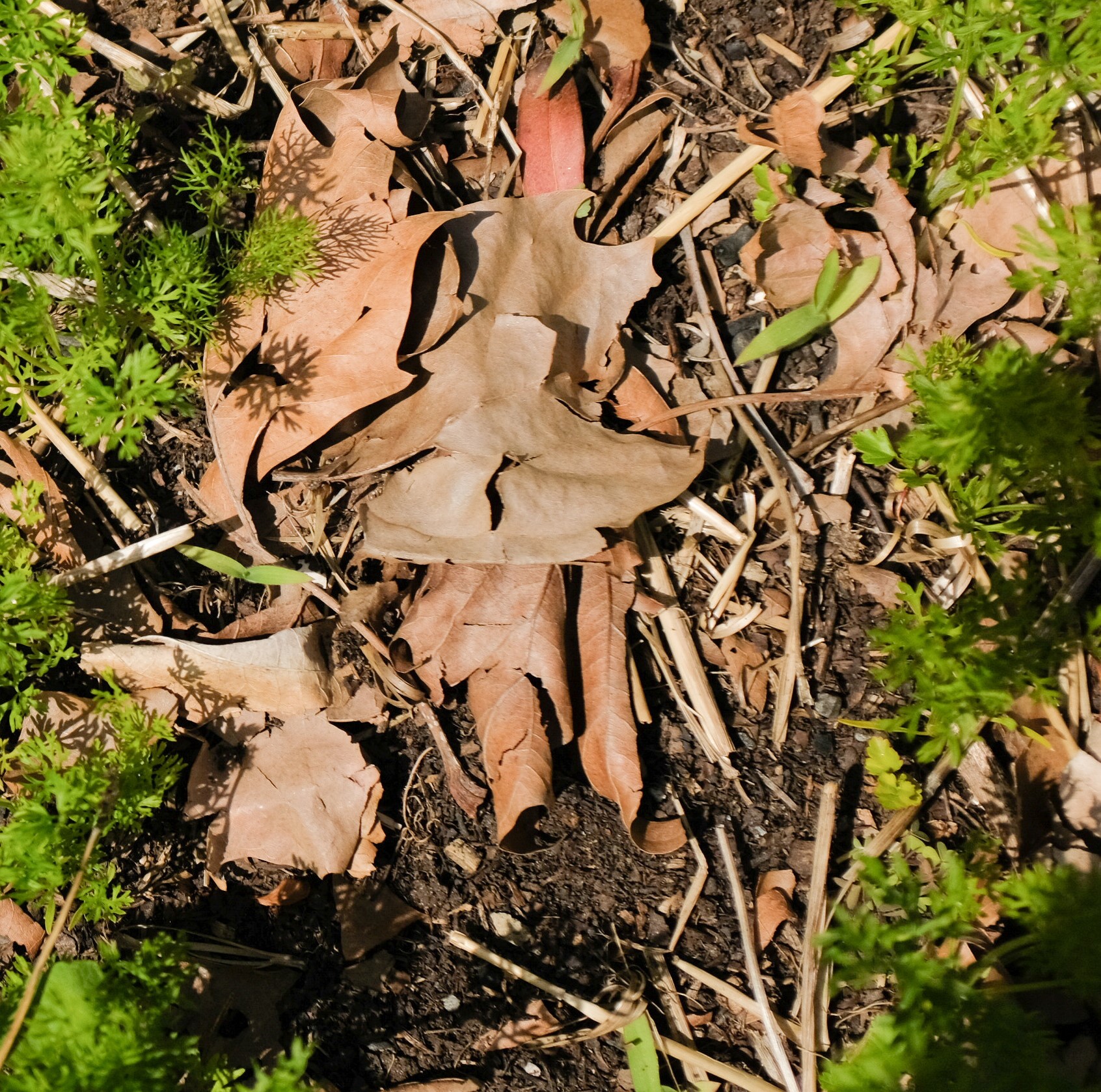
Leaves are a gardener’s greatest resource as they be used to greatly improve one’s soil.
-
#16 Rainwater Harvesting
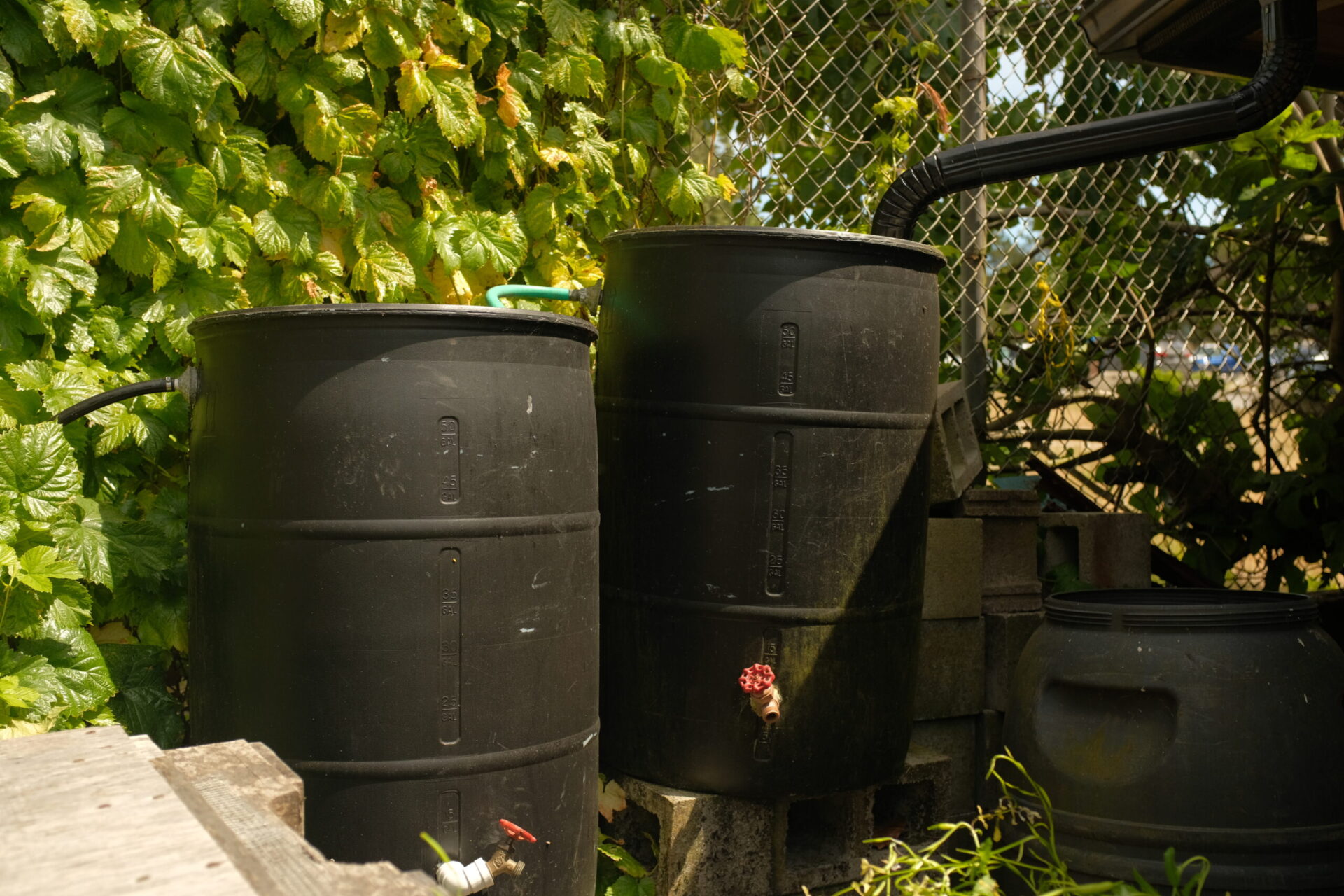
Sustainable rainwater collection and storage for use in the home and garden helps urban watersheds mimic the function of natural systems.
-
#17 Understanding Compostable Plastics
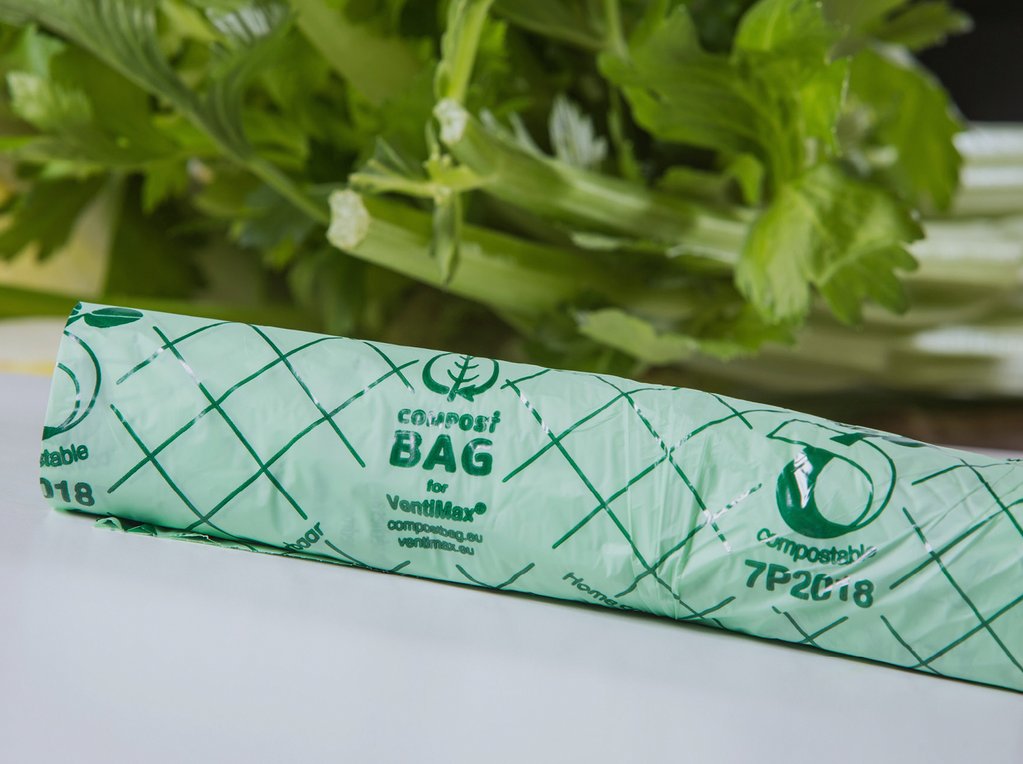
Learn the different between certified compostable products and how to dispose of them accordingly.
-
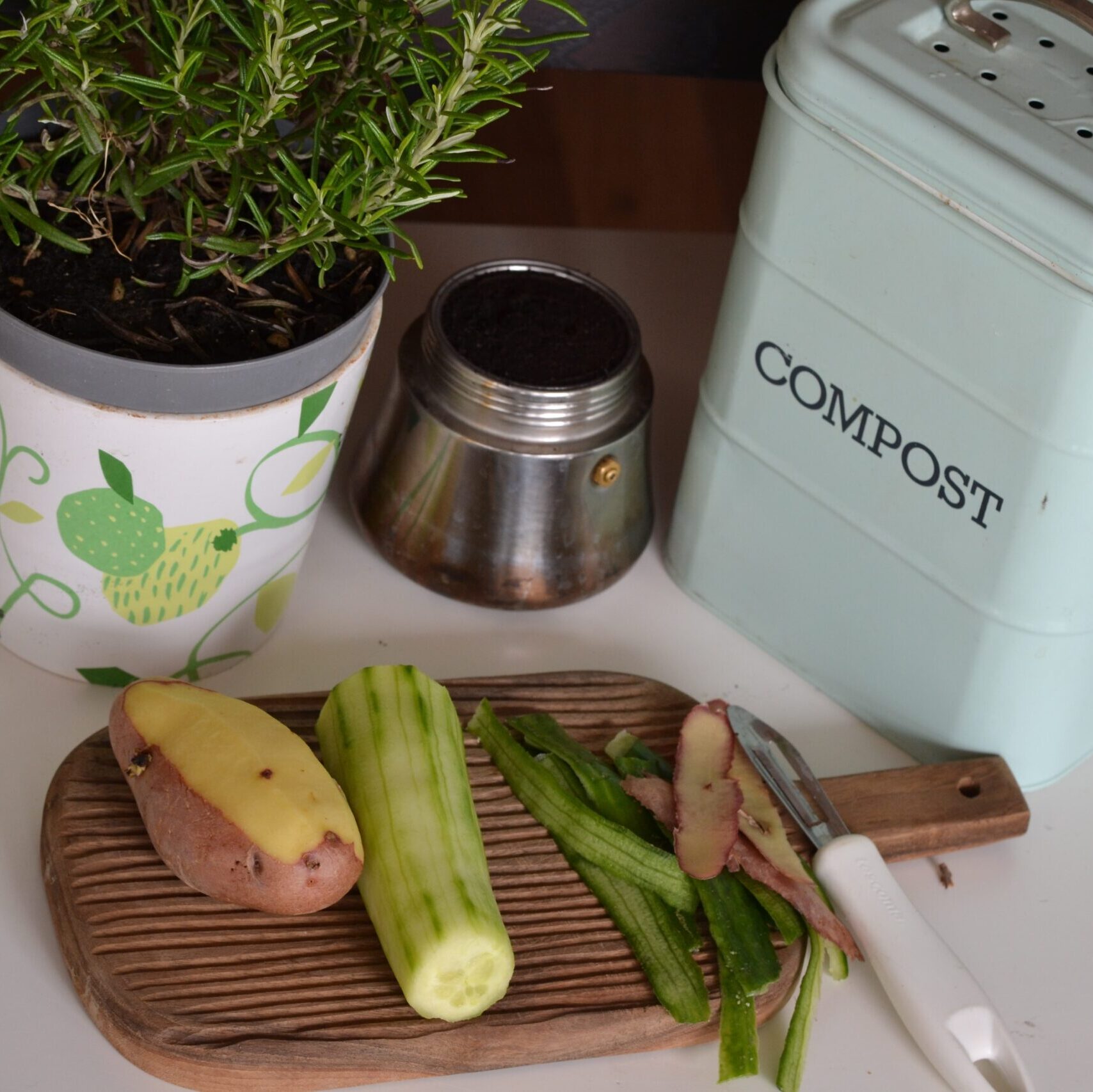
#21 Zero Waste Living
Learn ways to integrate zero waste living into your kitchen, bathroom, office space, and more!
-
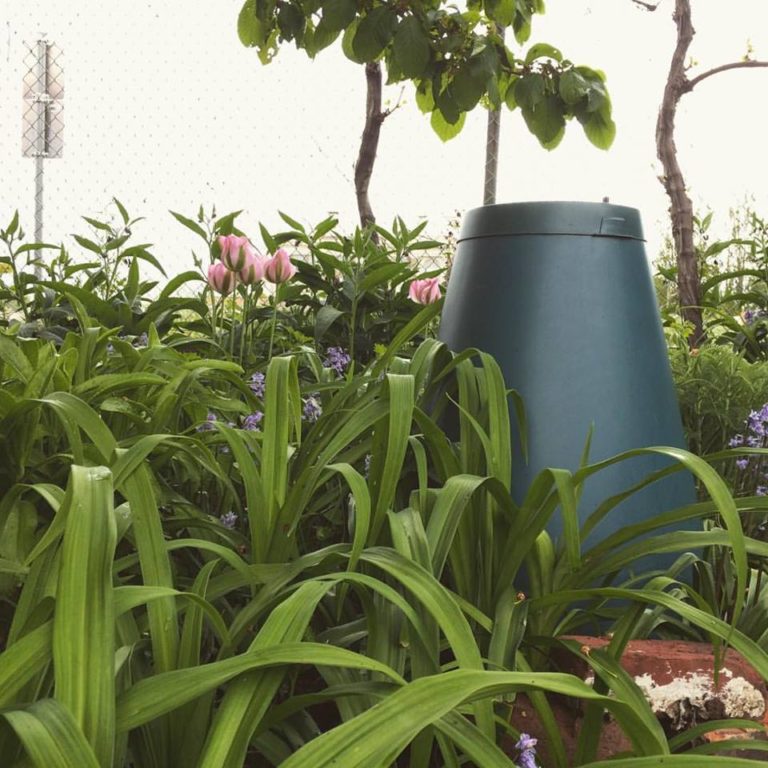
#26 Multi-Family Dwelling Composting Options
Learn about ways to divert organic matter from the landfill and recycle this nutrient-rich resource in an on-site small-scale composting device.