
RESOURCES
Factsheets
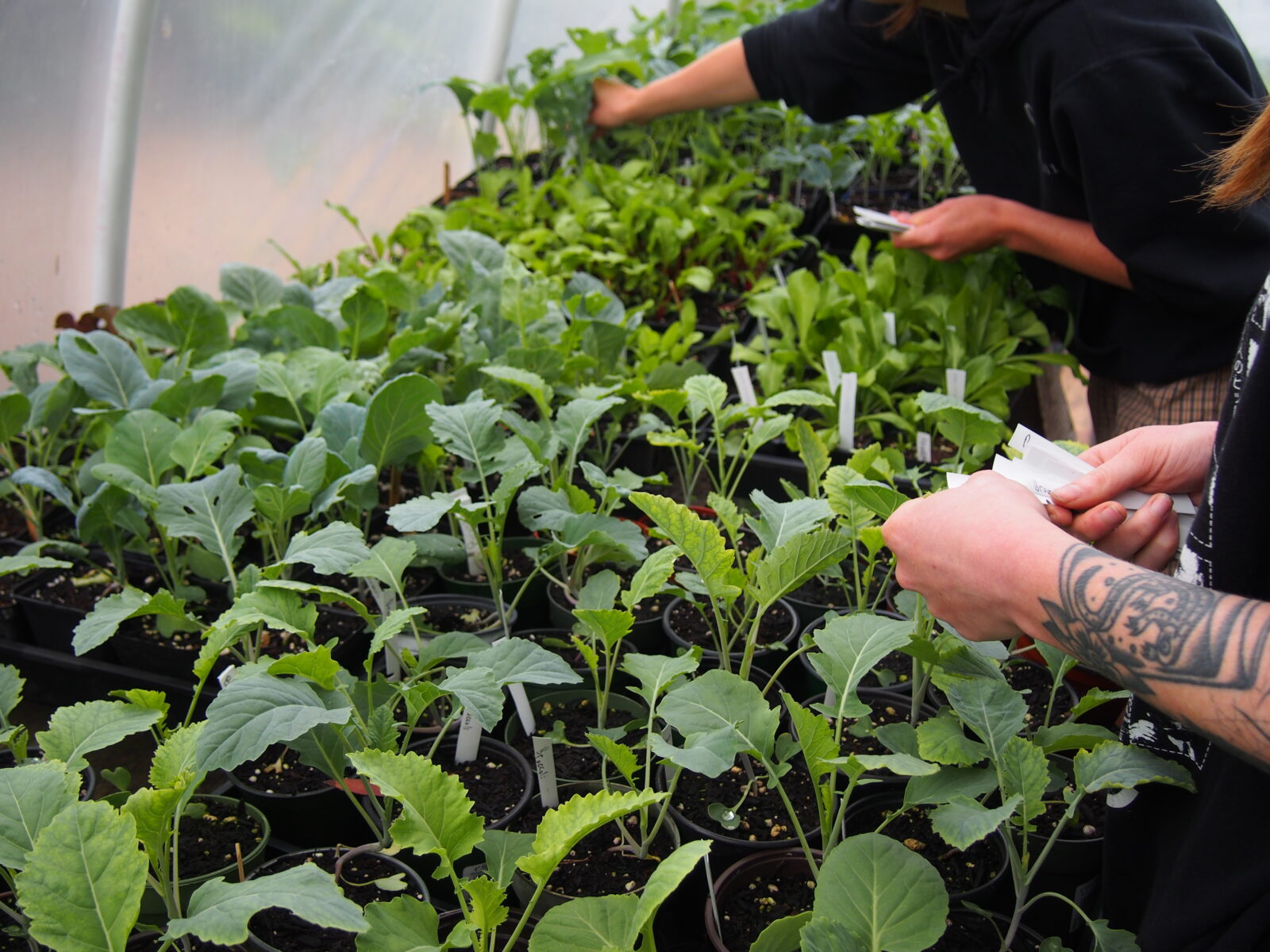
Curious about composting or organic food growing methods? We’ve got factsheets to cover all of your bases!
-
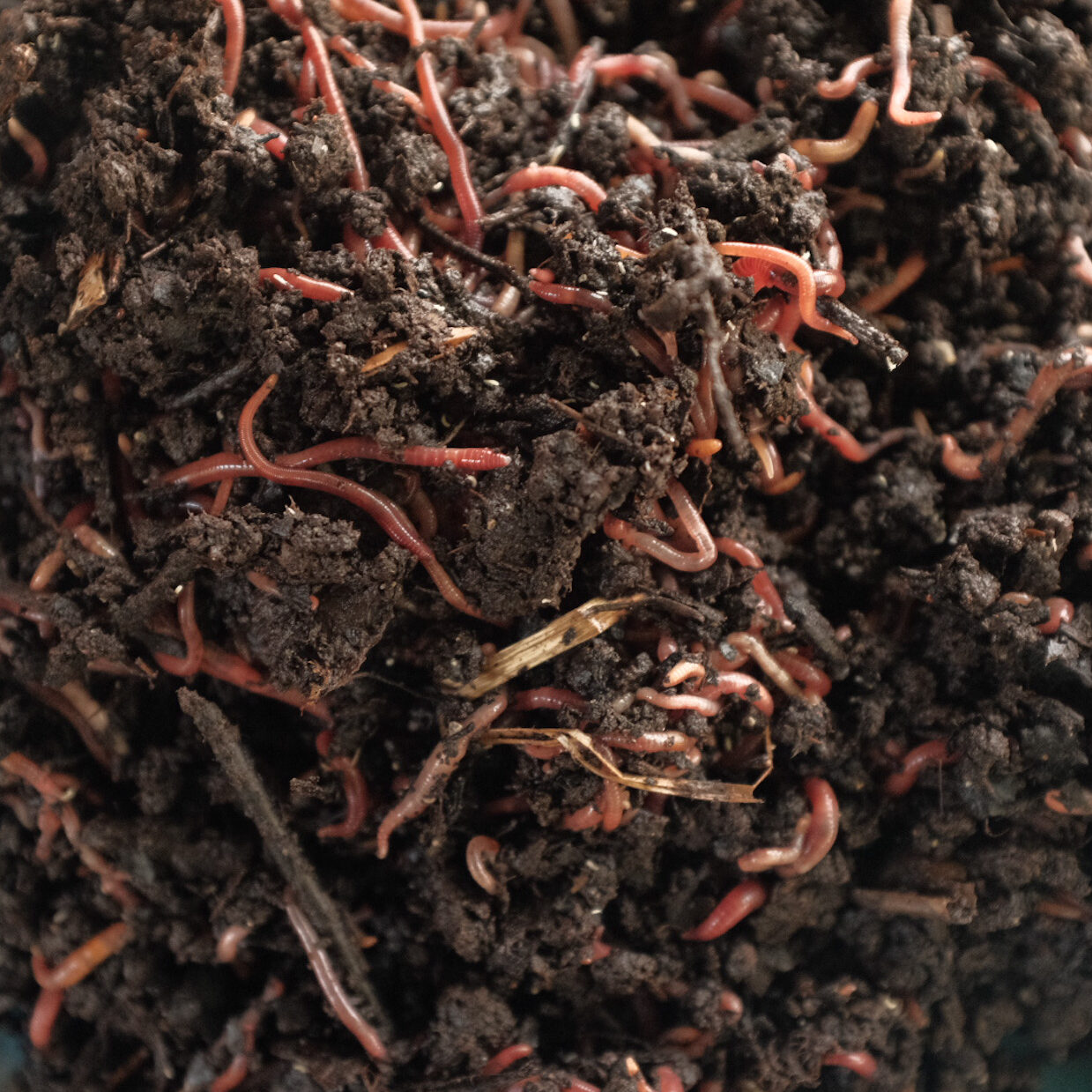
#8 Compost Ecology
Three levels of decomposers work in a compost pile to break down raw organic matter into the nutrient-rich, soil-like texture of finished compost.
-
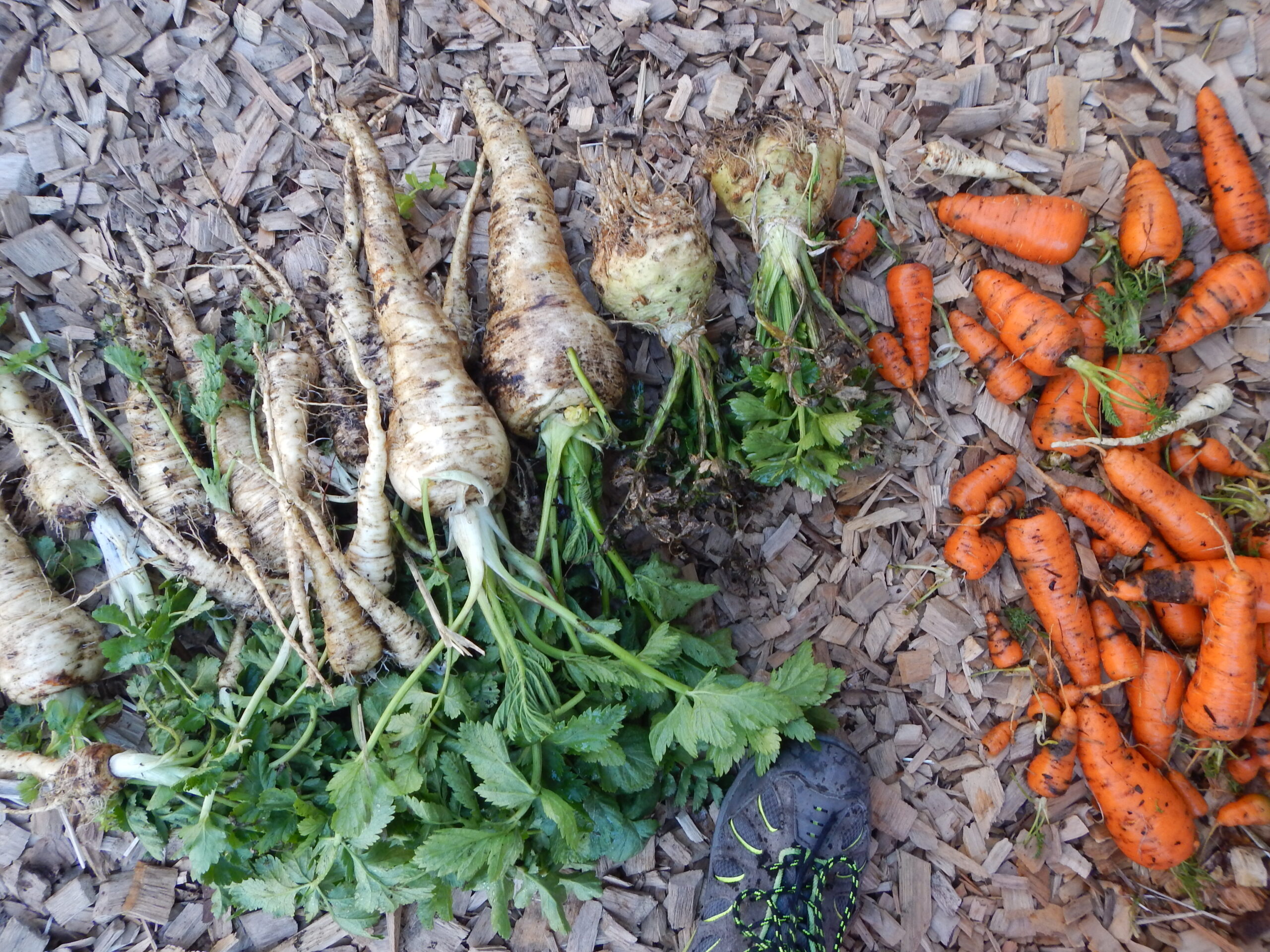
#11 Understanding & Addressing Soil Contamination
Soil contaminants from historical industrial activity may get into or onto our veggies and fruits and have negative health effects over the long term.
-
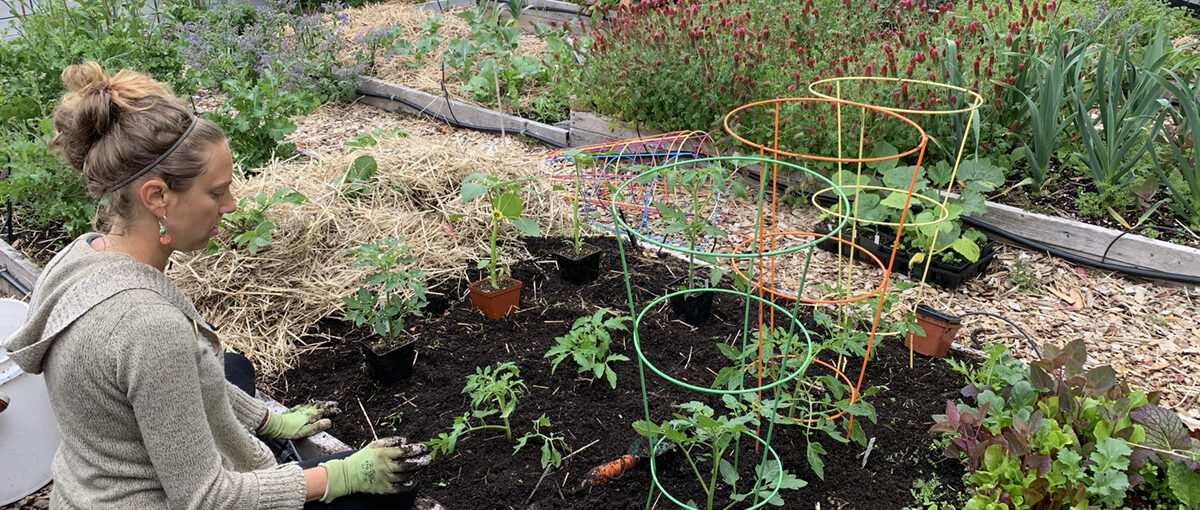
#12 Best Practices for Healthy Urban Gardens
Learn how to avoid contamination of your fruits and veggies.
-
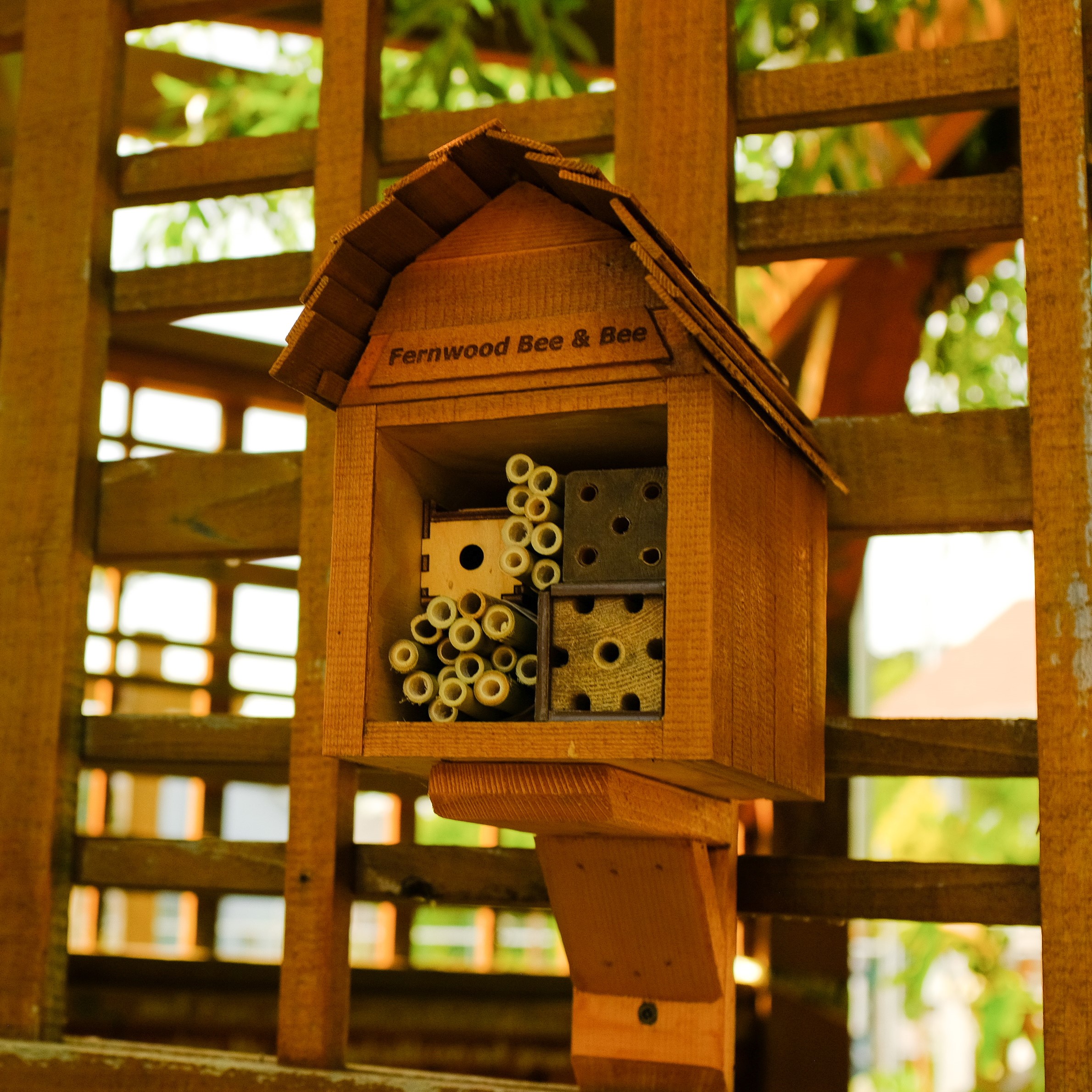
#15 Pollinator Stewardship
Pollinator Stewardship ensures the insects and animals that pollinate much of the produce that we consume are supported.
-
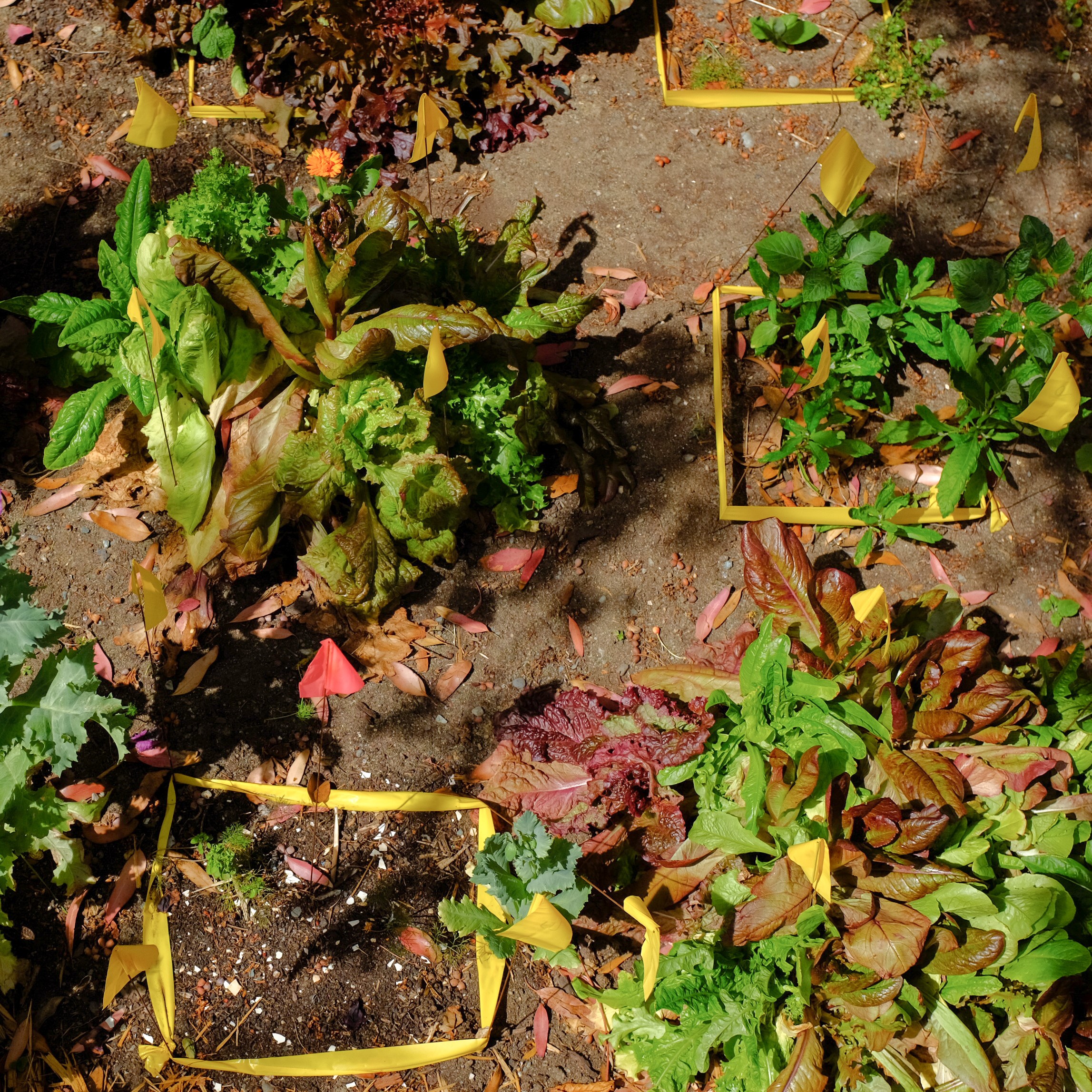
#19 Bioremediation for Urban Gardeners
This Healing City Soils Factsheet offers ways that home-scale food gardeners, small urban farmers and community gardeners can draw on their soil and plant knowledge and skills to remediate soils that are contaminated with low to moderate soil concentrations of heavy metals.
-
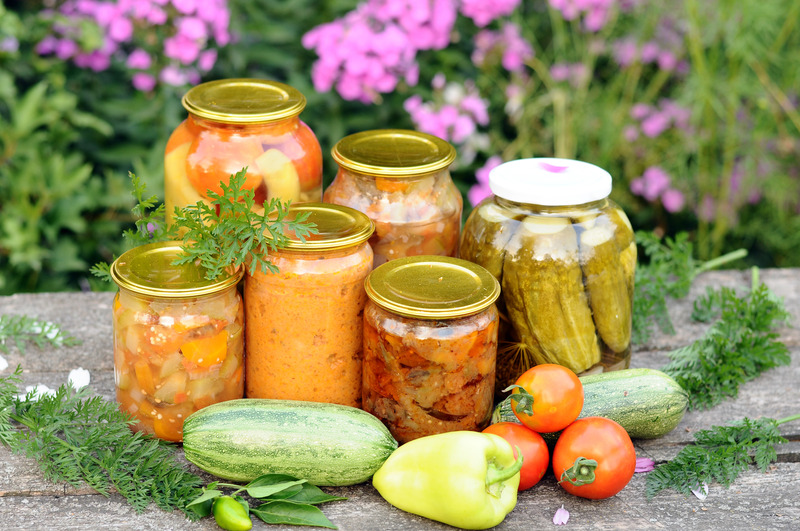
#25 Hot Water Bath Canning
In this factsheet you will learn about Hot Bath Canning, how it works, what you can make, and how to do it safely.
-
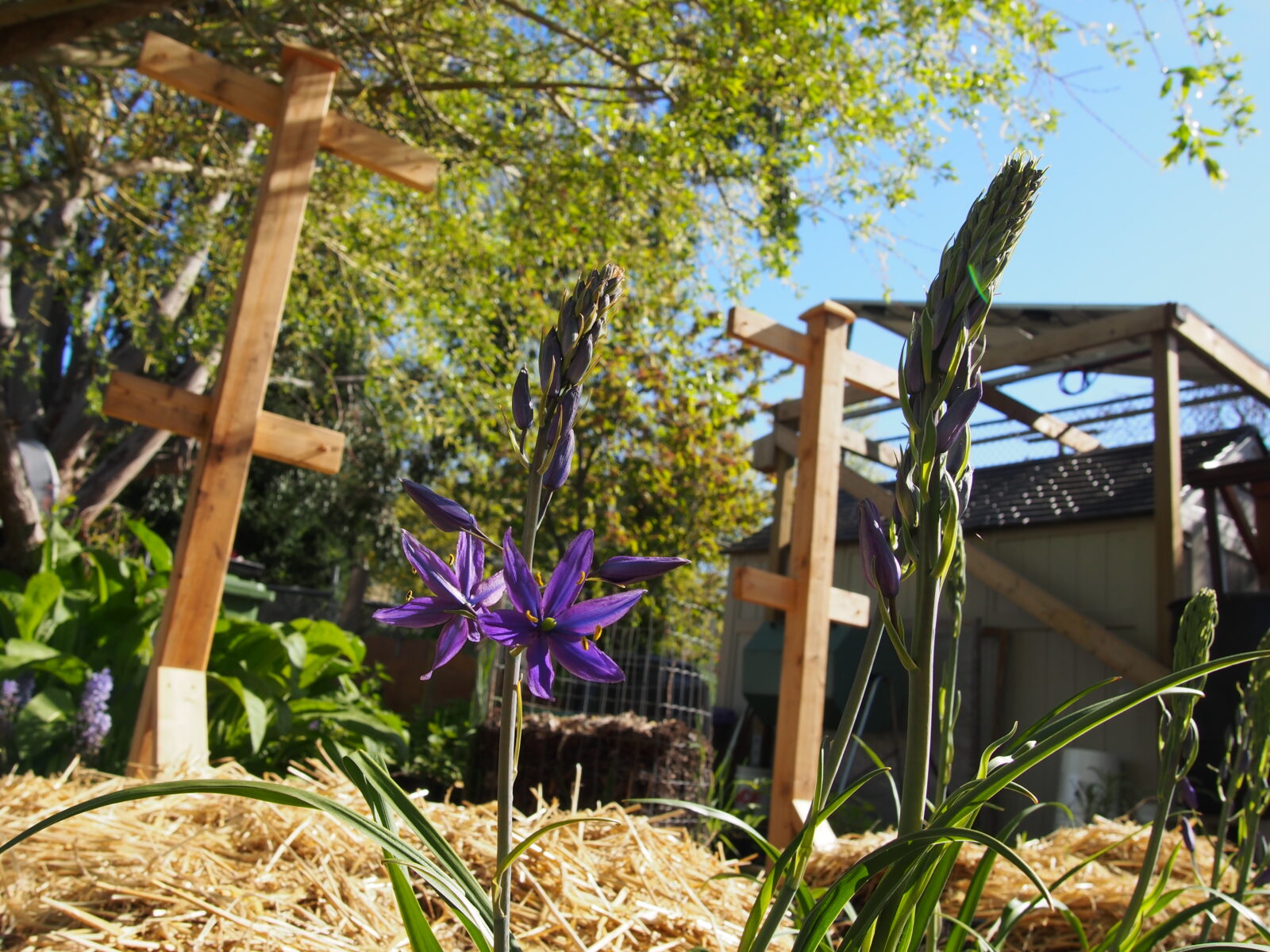
#33 Gardening with Indigenous Plants
Gardening with Indigenous plants will bring a range of benefits—including food, medicine, increased habitat and forage for Indigenous pollinators and birds —not to mention they are evolved for their environments, meaning less maintenance work for you once they are established.